Are you drawn to the privacy of a smaller waterfront building, or do you want the convenience of a more amenity-rich condo? In Bay Harbor Islands, that choice matters more than the label on the brochure. If you are weighing a boutique condo against a larger tower-style residence, the smartest decision comes from looking past marketing terms and focusing on how you want to live, what the building offers, and what ownership will really involve. Let’s dive in.
Bay Harbor condo choices are nuanced
Bay Harbor Islands is a compact waterfront town made up of two small islands with a central business district along Kane Concourse. It covers less than half a square mile, which gives it a distinct sense of scale and scarcity. That small footprint also means many waterfront condo options sit close to daily conveniences while still offering a tucked-away residential feel.
Today’s condo pipeline shows that Bay Harbor is not a one-size-fits-all market. Since 2021, developers have proposed nearly a dozen projects totaling about 400 residential units. Current examples range from 23-unit boutique residences like 9900 West to 57-unit buildings like La Baia North, giving buyers a real choice between lower-density living and broader amenity packages.
Boutique waterfront condos offer intimacy
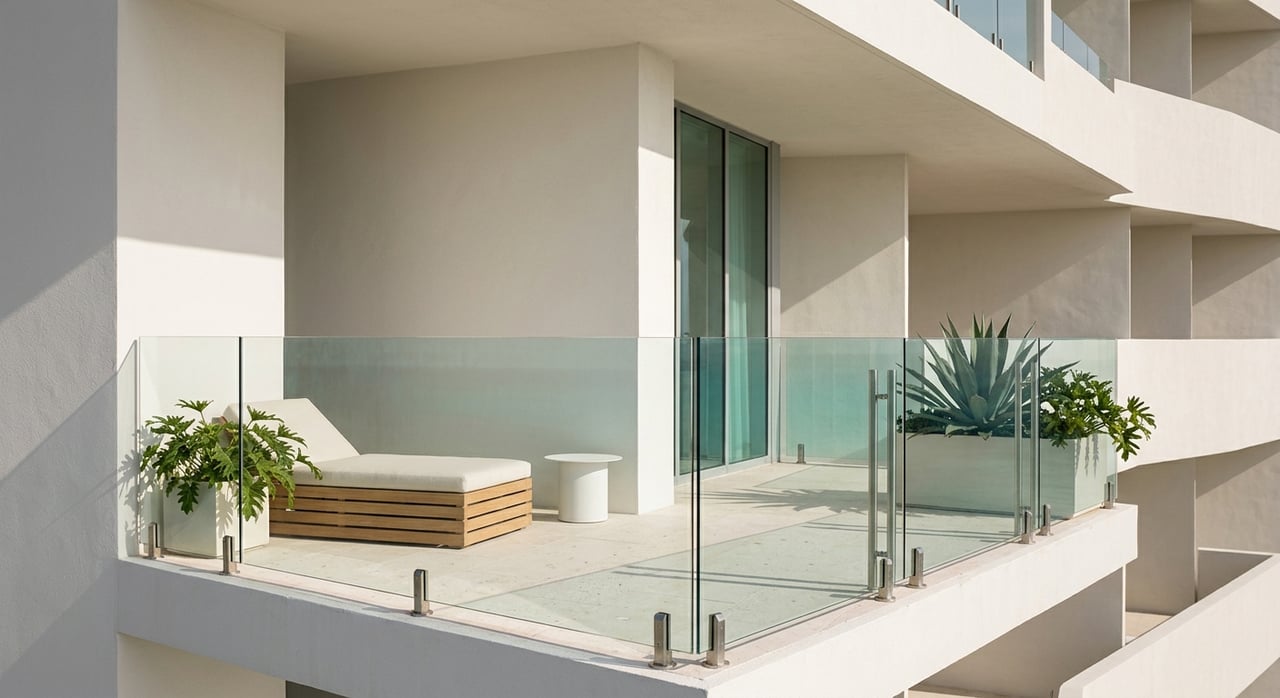
If your priority is privacy, a boutique building may feel like the right fit. In Bay Harbor, boutique waterfront condos often mean fewer neighbors, quieter common areas, and a more residential atmosphere. That can be especially appealing if you want your condo to feel more like a private retreat than a busy residential hub.
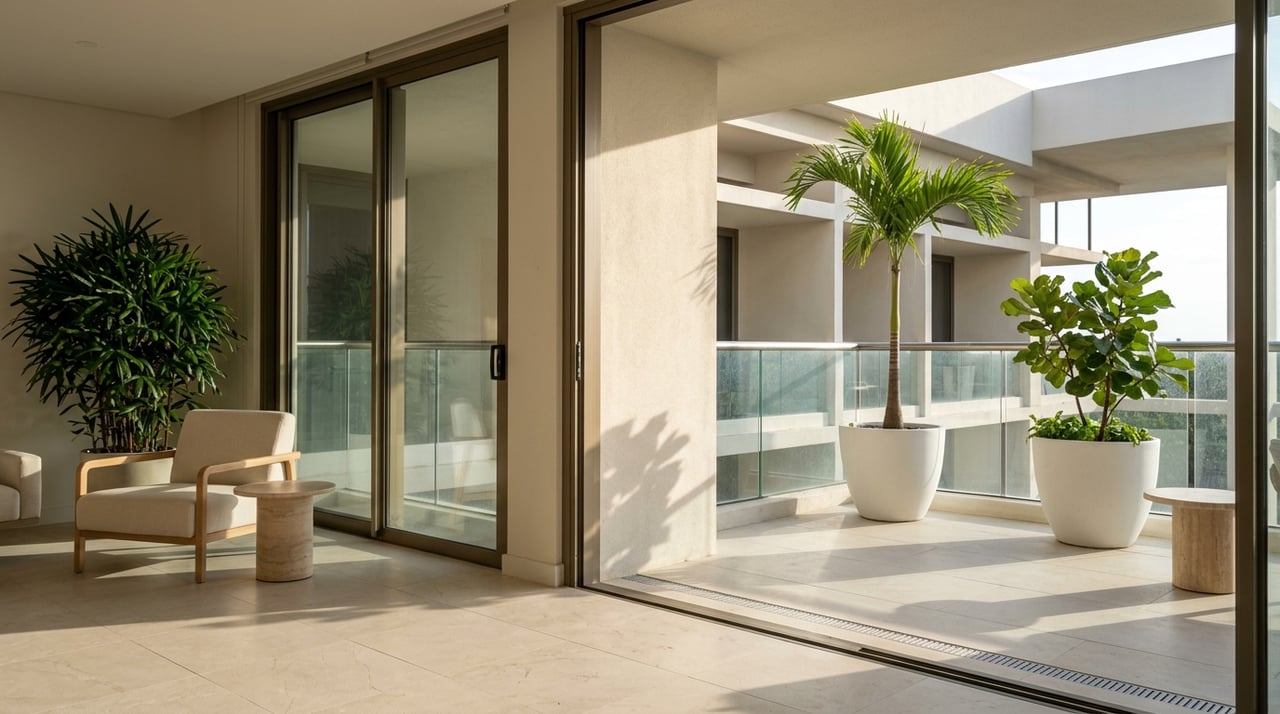
Projects such as 9900 West and La Maré Regency reflect that approach. These buildings emphasize limited collections of residences, generous terraces, and direct water access. In some cases, private boat slips or marina access are part of the appeal, which can be a major advantage if your lifestyle revolves around being on the water.
Boutique does not always mean minimal. For example, some smaller Bay Harbor projects still include rooftop pools, spas, fitness centers, and marina features. The difference is that the overall experience tends to center on calm, discretion, and lower density rather than a long list of shared amenities.
Why buyers choose boutique
Buyers often lean toward boutique buildings when they want:
- Fewer residences in the building
- More privacy and less foot traffic
- A quieter day-to-day environment
- A stronger focus on terraces, views, and water access
- A more home-like waterfront experience
If that sounds like your ideal ownership style, a boutique building may deliver the right lifestyle fit.
Larger buildings offer broader amenities
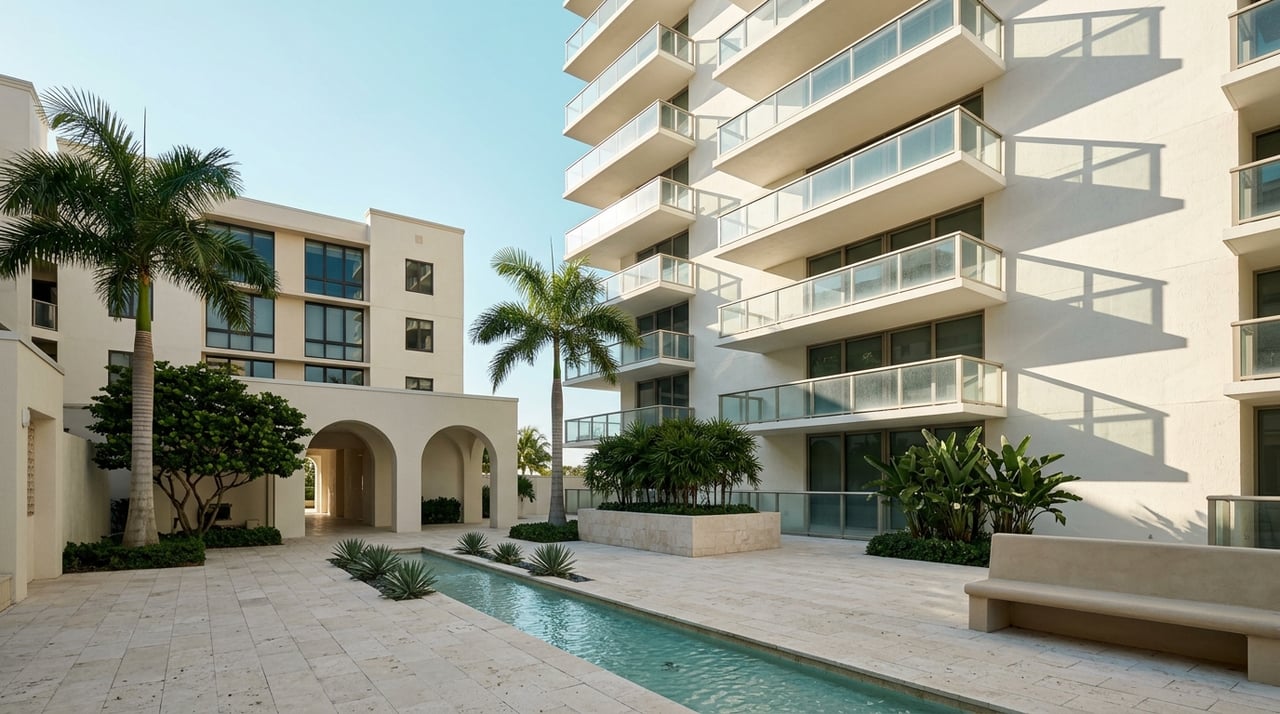
Bay Harbor’s larger condo buildings are still modest compared with many Miami high-rises. Many current projects are only seven or eight stories, so the real difference is usually not height. It is the scale of the building, the unit count, and how much infrastructure supports the ownership experience.
Buildings like Bay Harbor Towers and La Baia North show what larger-format living can look like in this market. These projects may include wider amenity offerings such as rooftop decks, tropical gardens, valet, multiple elevators, full-time on-site management, yacht club membership features, and larger shared social spaces. For some buyers, that kind of convenience adds meaningful value.
A larger building may also spread staffing and amenity costs across more owners. While every association budget is different, this can support a more formal operating structure. If you want a second home that feels turnkey and well-supported, a larger waterfront condo may check more boxes.
Why buyers choose larger buildings
A larger building may be a better fit if you want:
- A broader amenity package
- More formal management and staffing
- Valet or concierge-style convenience
- A building that feels more service-oriented
- A second-home experience with more built-in support
For many buyers, that added convenience is worth the trade-off of having more neighbors and a busier shared environment.
In Bay Harbor, labels can mislead
One of the most important things to know about Bay Harbor Islands is that “boutique” and “high-rise” are not always very useful shortcuts. Because many new buildings are similar in height, the better comparison is between low-density intimacy and amenity breadth.
That means you should look closely at the actual unit count, the scope of the amenities, and the management structure. A 23-unit building and a 57-unit building may both be waterfront and similarly designed, but the ownership experience can feel very different. The label matters less than the daily reality.
Ownership costs deserve close attention
In Bay Harbor, choosing the right condo is not only about style and lifestyle. It is also about understanding the building’s physical condition, financial planning, and local compliance environment. This is especially important because the town lies completely within a special flood hazard area.
That flood exposure affects more than insurance. The town requires permits for development and improvements, including work valued at $100 or more. Its floodplain rules also apply substantial-improvement standards when work reaches 50% of market value, which can affect renovation plans, timelines, and future costs.
For buyers, that makes due diligence essential. A beautiful amenity deck is appealing, but it should never distract from the deeper questions about reserve funding, maintenance planning, and flood-related ownership costs.
Florida condo rules matter in this decision
Florida’s current condo requirements have made building-condition documents a central part of the buying process. Residential condominium and cooperative buildings that are three or more habitable stories high must complete milestone inspections at 30 years and then every 10 years after that. Florida also requires a structural integrity reserve study, known as a SIRS, for residential condo buildings that are three or more habitable stories high, at least every 10 years.
That reserve study is not a simple budget estimate. It must address major components such as the roof, structure, fireproofing and fire protection systems, plumbing, electrical systems, waterproofing and exterior painting, windows and exterior doors, plus other qualifying items over $25,000 that affect structural integrity. In practical terms, this gives buyers a clearer framework for evaluating whether a building’s financial planning matches its physical needs.
As a buyer, you should be asking whether the latest milestone inspection and reserve-study documents are complete, current, and aligned with the association’s budget. This matters in a boutique building and in a larger building alike. In many cases, the strongest building is not the one with the flashiest amenities, but the one with the most disciplined planning.
Bay Harbor adds a local oversight layer
Bay Harbor Islands also requires condominium and other associations to register with code compliance. Associations must update officer, director, and management information annually by January 30 and provide contact information, including where common-area construction permits will be posted. That local requirement does not guarantee excellent management, but it does reinforce how important documentation and compliance are in this market.
For you as a buyer, this is another reminder to review association operations carefully. A well-run building should be able to provide current records and answer questions clearly. In a waterfront community with floodplain rules and ongoing development, organized governance is not a luxury. It is part of responsible ownership.
How to choose the right fit
The best condo choice comes down to how you want to live and how carefully the building has prepared for the future. If you want calm, discretion, and a more private waterfront setting, boutique may be the better match. If you value convenience, service, and a wider amenity package, a larger building may serve you better.
Either way, your decision should go beyond aesthetics. Bay Harbor’s scarcity, waterfront setting, and active development pipeline make this a compelling market, but buyers should also weigh traffic on the town’s two mainland connections, flood exposure, reserve funding, and the potential for future assessments. The smartest purchase is the one that aligns lifestyle goals with sound building fundamentals.
Questions to ask before you buy
Before you move forward on any Bay Harbor waterfront condo, make sure you ask:
- Has the association completed the latest milestone inspection?
- Has the building completed its structural integrity reserve study?
- Are summary reports available for review?
- Are any special assessments, reserve increases, or association loans already approved?
- If boat slips are offered, who owns them and what rules apply?
- What flood-related insurance and permitting costs should be included in your holding-cost estimate?
These questions can help you compare a boutique building and a larger one on equal footing. They also help you focus on the facts that shape ownership long after the tour is over.
If you are considering a Bay Harbor waterfront condo, a thoughtful, building-by-building review can make all the difference. For tailored guidance on Bay Harbor’s boutique residences, larger amenity-rich buildings, and the nuances that matter in a waterfront purchase, connect with Lydia Eskenazi.
FAQs
What is the main difference between boutique and larger Bay Harbor waterfront condos?
- In Bay Harbor Islands, the biggest difference is usually fewer residences and more privacy in a boutique building versus broader amenities and more formal operations in a larger building.
Are Bay Harbor Islands condos typically true high-rises?
- Not always. Many current Bay Harbor condo projects are about seven or eight stories, so the more useful comparison is low-density living versus wider amenity offerings.
Why do floodplain rules matter for Bay Harbor condo buyers?
- Bay Harbor Islands lies entirely in a special flood hazard area, so flood insurance, permitting requirements, renovation rules, and long-term capital planning can directly affect ownership costs.
What documents should condo buyers review in Florida buildings?
- Buyers should review the latest milestone inspection status, structural integrity reserve study information, and whether those findings align with the association’s current budget and funding plan.
Do smaller boutique buildings always cost less to own?
- Not necessarily. Smaller buildings may offer a narrower amenity set, but ownership costs still depend on the building’s maintenance needs, reserve funding, insurance, and overall management.
What should buyers ask about Bay Harbor condo boat slips?
- Buyers should ask who owns the slips, what usage rules apply, and what maintenance responsibilities or added costs come with marina or slip access.