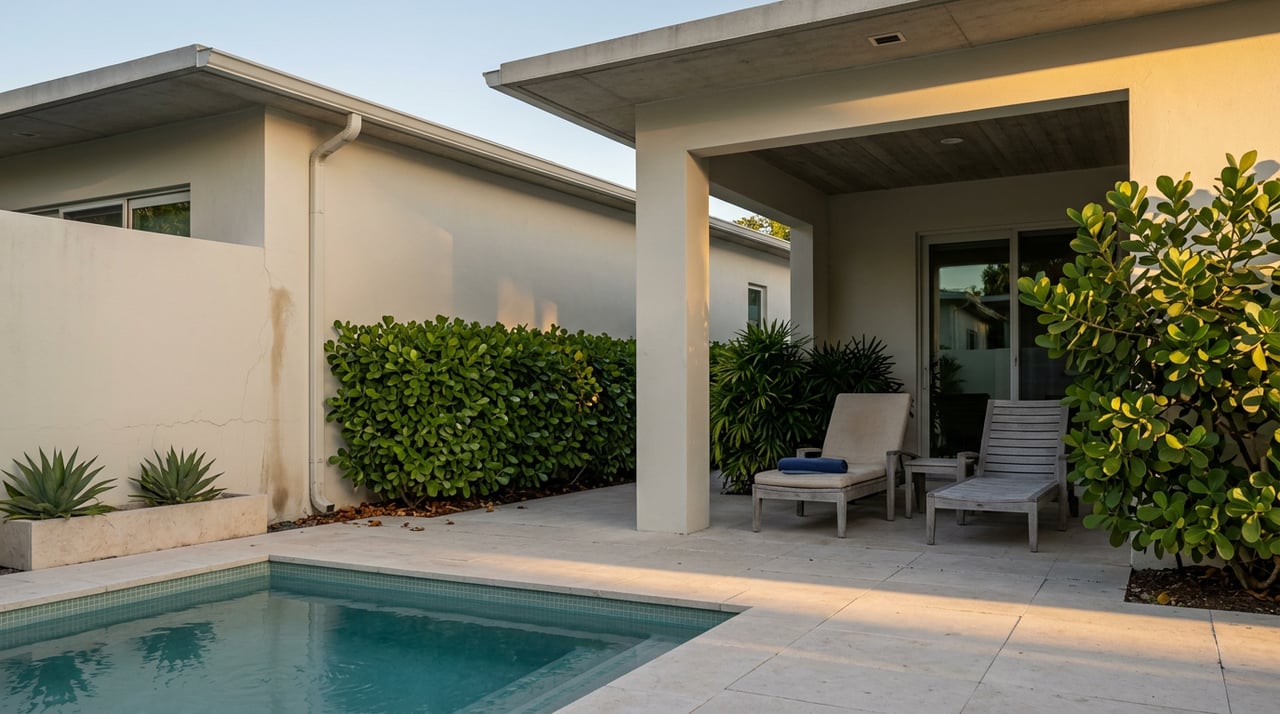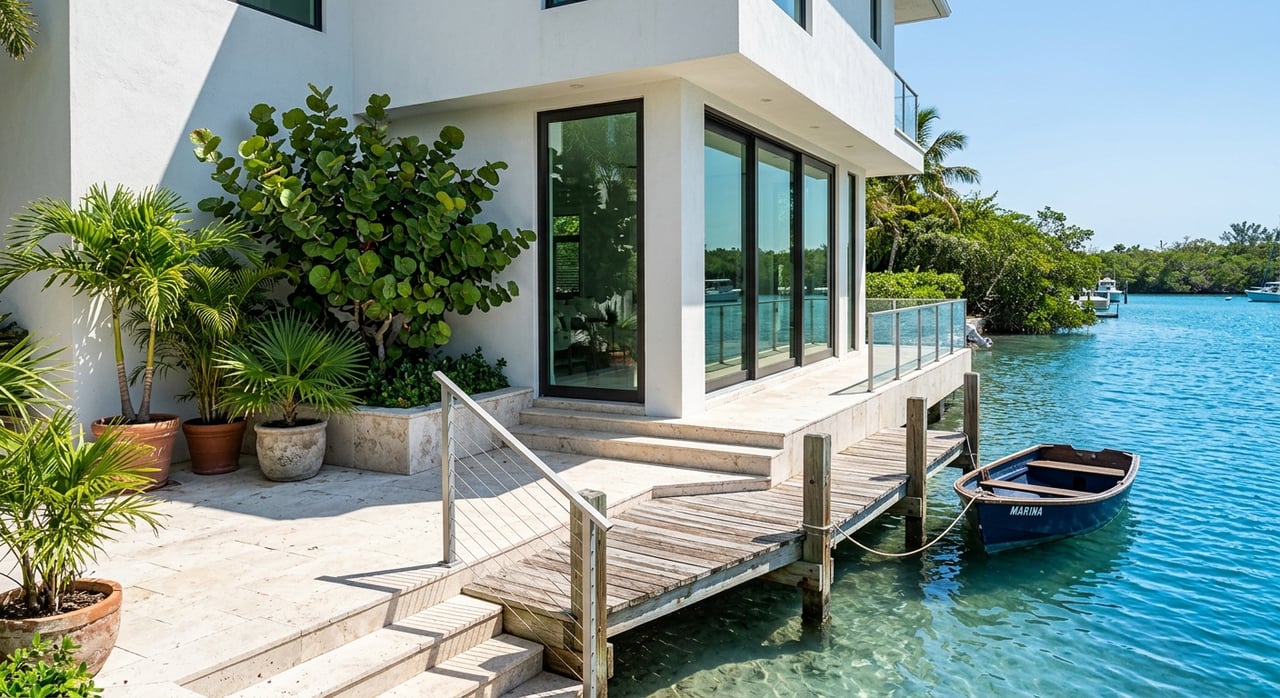
If you are thinking about selling a Miami Beach oceanfront property, timing can shape everything from showing traffic to negotiating power. In this market, many serious buyers are not just local residents browsing on weekends. They are seasonal visitors, second-home shoppers, and international buyers who often decide when they are physically in South Florida. The good news is that market patterns give you a clear advantage if you plan ahead. Let’s dive in.
Why timing matters in Miami Beach
Miami Beach does not behave like a typical neighborhood market. Tourism plays a major role in how often wealthy buyers are in town, how many properties they tour, and how quickly they feel ready to act.
The City of Miami Beach reported that visitors generated $2.2 billion in local and state tax revenue in 2025 and supported more than 11,000 local jobs. Greater Miami and Miami Beach also saw 28.3 million visitors and $32.2 billion in economic impact in 2025. For oceanfront sellers, that matters because more visitors often means more eyes on your listing.
Best time to list oceanfront property
The broadest and safest window to launch a Miami Beach oceanfront listing is before the winter and early-spring travel surge is fully underway. In practical terms, late fall through early spring tends to offer the strongest visibility for sellers who want to reach the widest buyer pool.
That seasonal pattern is supported by tourism and hotel demand. Miami Beach average daily room rates reached $391.04 in December 2025 and $331.95 in January 2025, compared with $219.02 in June 2025. Higher winter demand suggests more affluent travelers are in the market during those months, which can help oceanfront listings attract attention at the right time.
Large annual events also reinforce that pattern. Art Basel Miami Beach opened to the public December 5 through 7 in 2025, and the Miami International Boat Show arrives in February. These event periods bring an international, luxury-oriented audience that aligns closely with the buyer profile for high-end waterfront real estate.
Why listing before peak season helps
Many sellers assume they should wait until peak season is obvious. In Miami Beach, that can be too late. If your property is already live when winter visitors and early-spring buyers arrive, you give yourself a better chance to capture attention before buyers narrow their options.
This is especially important because many international and second-home buyers purchase only after visiting Florida in person. Florida Realtors found that 90% of international buyers had visited Florida at least once before buying. If your listing is polished and active when those buyers are in town, you are more likely to be part of their short list.
Buyer habits in the Miami Beach oceanfront market
Miami Beach has a strong vacation-home and global-buyer presence. MIAMI Realtors ranked Miami Beach as the No. 2 largest vacation home market in the United States, with 13,817 vacation homes making up 22% of housing stock.
That buyer base often behaves differently than a traditional owner-occupant market. In 25 South Florida vacation-home markets, 75% of closed sales were all-cash in 2025. By property type, cash represented 76% of condo and townhome sales and 75% of single-family sales.
For you as a seller, this means urgency and timing still matter, even when financing matters less. Wealthy buyers may be less rate-sensitive, but they are often highly selective and travel-based. They want to see the property, compare it in person, and make decisions during specific windows when they are in Miami Beach.
Condos need sharper timing
If you are selling an oceanfront condo, timing becomes even more important because supply is higher. In May 2026, Miami-Dade County had 12.9 months of condo supply, which MIAMI Realtors classified as a buyer’s market.
That trend is especially relevant in Miami Beach’s condo-heavy areas. In Q1 2026, months of supply reached 14.4 in 33139, 16.3 in 33140, and 14.7 in 33141. Time to contract ranged from 84 days in 33139 to 123 days in 33141.
In a market with that much competition, you do not want to miss the best seasonal audience. A condo that launches with strong visuals, clear pricing, and exposure before the winter rush can stand out more effectively than one that arrives after buyers have already started narrowing their choices.
Single-family homes have more flexibility
Oceanfront single-family homes usually have more room for error, but timing still matters. In May 2026, Miami-Dade County had 5.2 months of single-family supply, which MIAMI Realtors classified as a seller’s market.
Still, local conditions can vary. In Miami Beach single-family submarket 33154, supply reached 10.5 months in Q1 2026, compared with 5.7 months countywide for single-family homes. That is a reminder that even for trophy homes and well-located waterfront estates, strategy should be tailored to the specific property and micro-market.
For a distinctive oceanfront house, the right launch can amplify momentum. With fewer buyers at the top of the market, you want to meet them when they are present, engaged, and actively touring.
What if you miss the ideal window?
Not every seller can launch in late fall or early winter. Some properties need repairs, staging, photography, or a more deliberate pricing review. In that case, the best move is not to rush to market unprepared.
Instead, aim for the first strong travel window your property can realistically catch. Since so many international buyers visit Florida before they buy, presentation quality and timing should work together. A well-prepared listing launched at the next strong demand window usually performs better than a rushed listing that enters the market too soon.
Summer and early fall considerations
You can absolutely sell an oceanfront property in summer or early fall, but you should be realistic about the extra friction. Hurricane season runs from June 1 through November 30, and weather concerns can interrupt travel, showings, inspections, and closing timelines.
That does not mean summer listings fail. It means your strategy should account for possible buyer hesitation and scheduling disruptions. If you list during this period, preparation, pricing discipline, and digital presentation matter even more.
Marketing matters as much as timing
In Miami Beach, the right listing date works best when paired with the right marketing. Because the buyer pool is often international, seasonal, and luxury-oriented, your property needs to make a strong impression before a buyer ever steps inside.
That is why high-quality photography, polished video, and virtual tours are especially useful in this market. Bilingual communication can also help broaden reach for domestic and international buyers who want a smooth, informed experience.
For oceanfront properties, marketing should match the asset. A boutique, white-glove approach helps position the home with the level of discretion and quality that sophisticated buyers expect.
Signs you may be ready to list
Before choosing your launch date, it helps to confirm that the property and your strategy are both ready. In Miami Beach, that usually means more than just putting a sign in the ground.
You may be ready to list if:
- Your pricing reflects current condo or single-family supply conditions
- Your staging or presentation plan highlights the oceanfront lifestyle clearly
- Your photos and video are complete and polished
- Your timing lines up with an upcoming high-traffic visitor season
- You are prepared for showings, negotiations, and possible travel-based buyer schedules
A smart rule of thumb
If you want the simplest answer, here it is: try to be on the market before Miami Beach’s winter and early-spring buyer surge, not after it begins. That advice is especially important for oceanfront condos, second homes, and listings likely to attract international buyers.
Every property is different, of course. The ideal launch date depends on your property type, competition, price point, and how much preparation is still needed. But in a market shaped by travel patterns, event-driven traffic, and a global buyer base, listing early into the season is often the more strategic move.
If you are weighing the best time to bring your Miami Beach oceanfront property to market, a tailored plan can make all the difference. For a confidential, data-informed strategy built around your home, connect with Lydia Eskenazi.
FAQs
When is the best month to list a Miami Beach oceanfront property?
- The strongest broad window is usually late fall through early spring, with the key goal of being live before winter and early-spring buyers arrive in force.
Should you list a Miami Beach oceanfront condo before peak season?
- Yes. Condo sellers often benefit from listing before peak travel season because condo supply in Miami-Dade and several Miami Beach zip codes remains elevated.
Can you sell a Miami Beach oceanfront home in summer?
- Yes, but summer and early fall can bring added challenges from hurricane season, travel disruptions, and slower seasonal demand.
Does timing matter as much for Miami Beach single-family oceanfront homes?
- Timing still matters, but single-family homes may have a bit more flexibility than condos because countywide single-family supply has been tighter.
Why do international buyers affect Miami Beach listing timing?
- International buyers are important in this market, and many visit Florida before purchasing, so having your listing active during strong travel periods can improve visibility and interest.