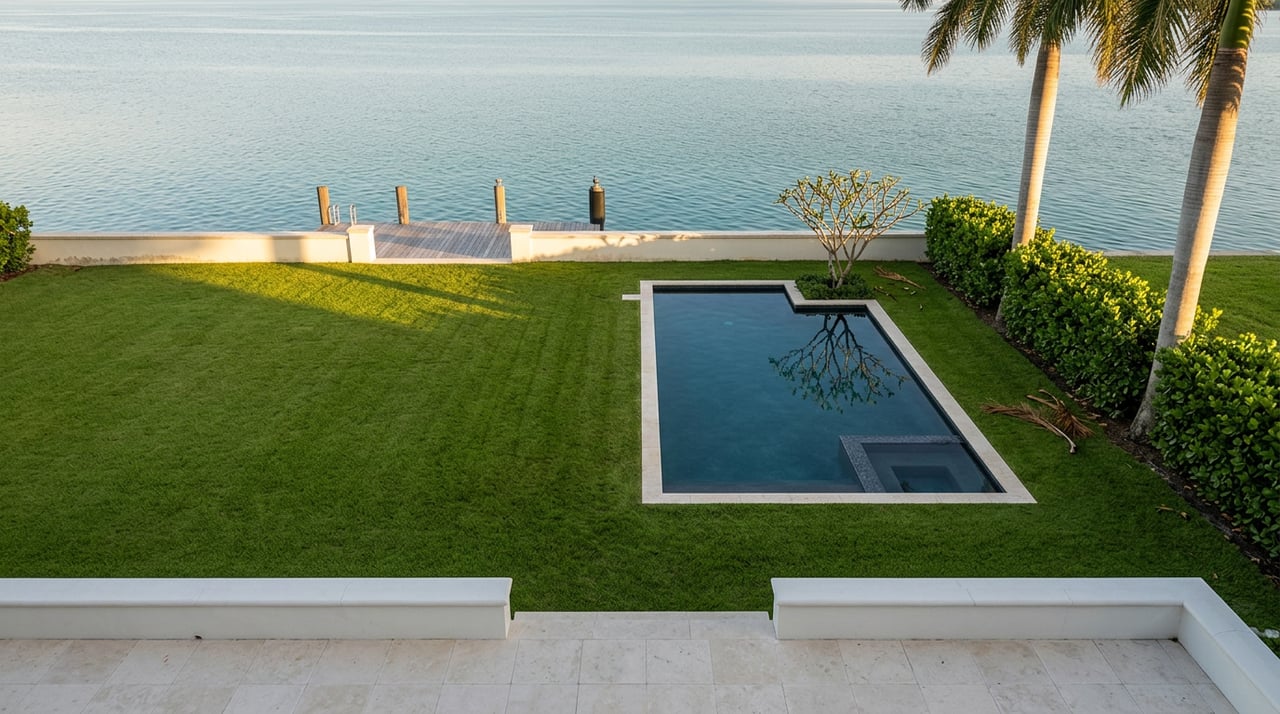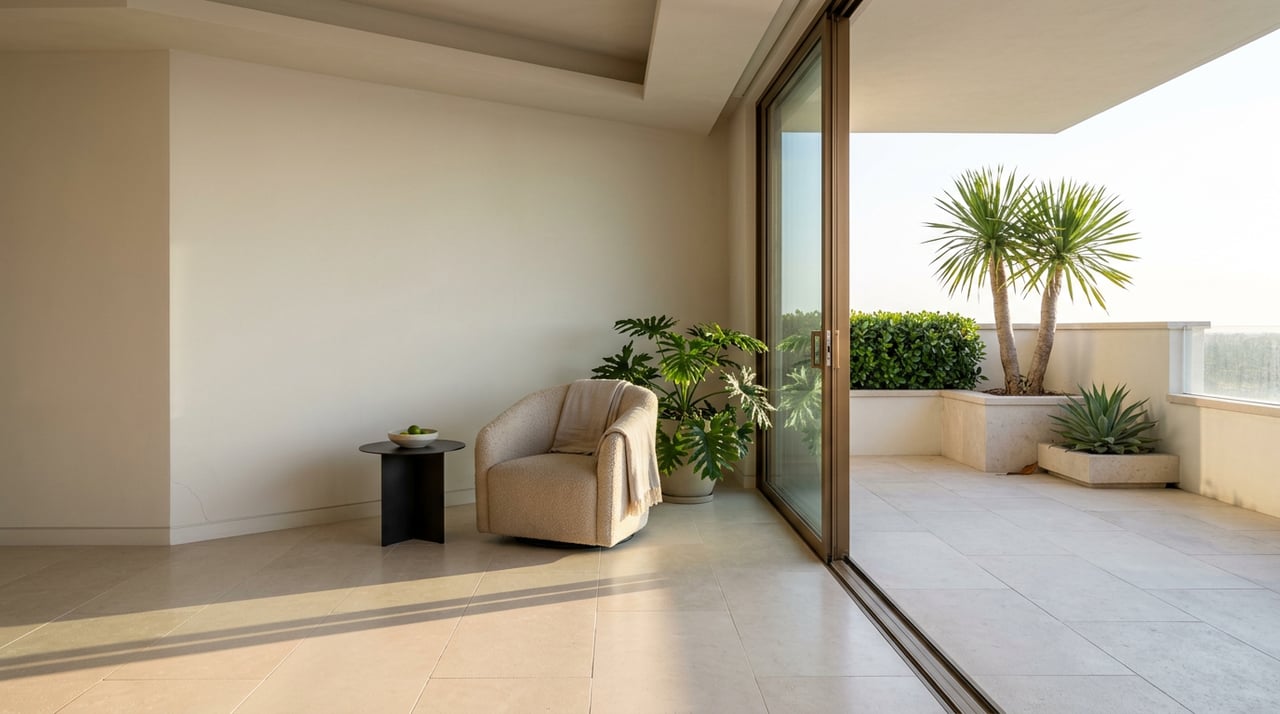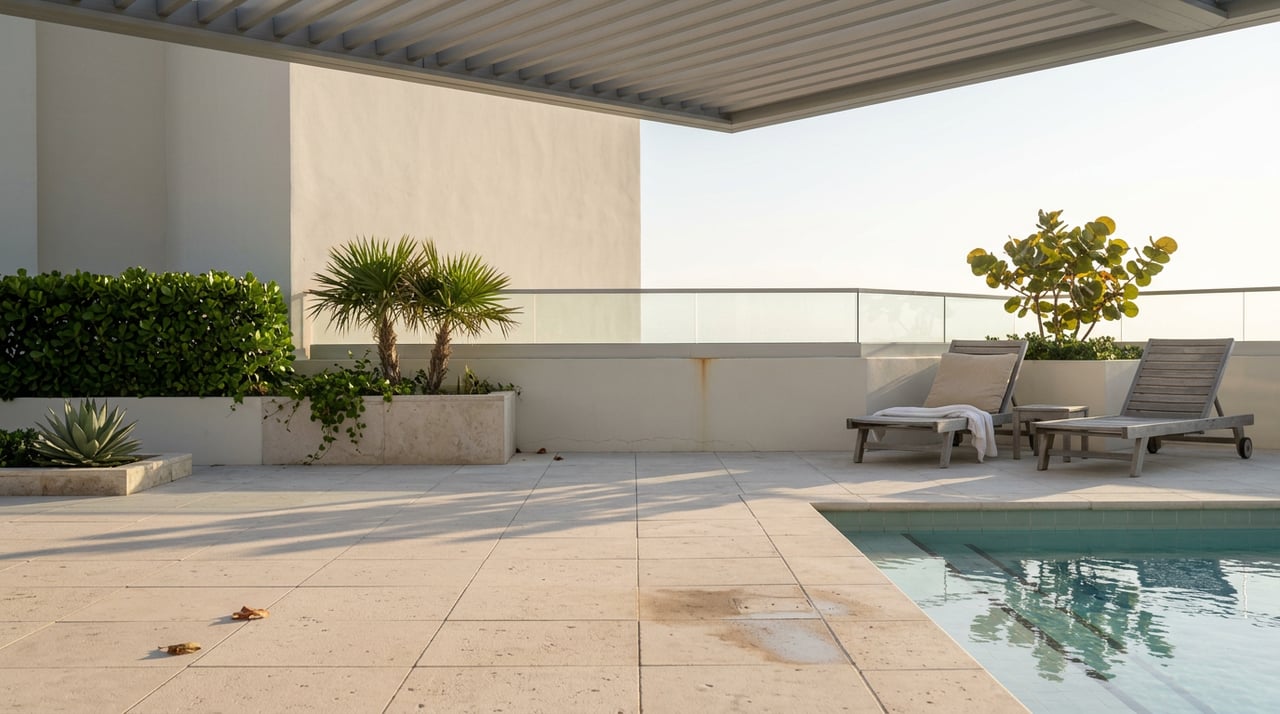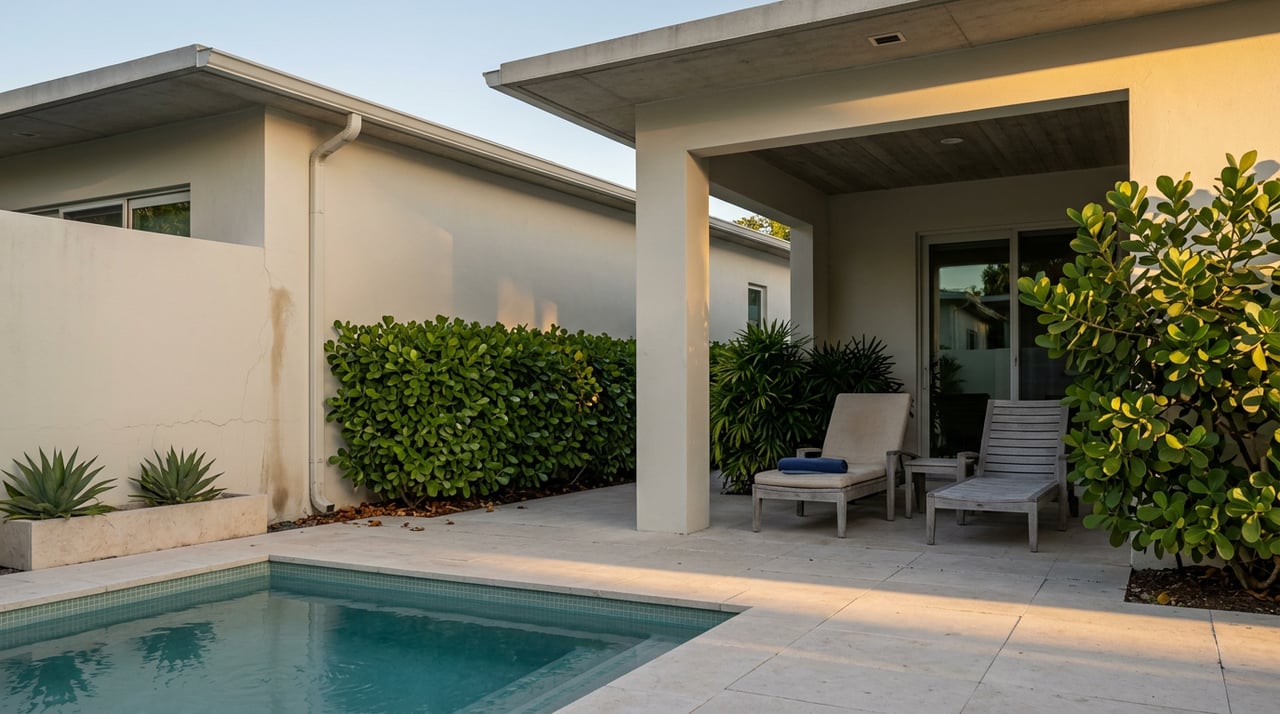
If you love South Beach but worry that every address comes with constant noise and nonstop foot traffic, you are not alone. Many buyers want the polish, proximity, and prestige of South Beach without living in the middle of its most active corridors. The good news is that quiet luxury does exist here, but it is usually a matter of choosing the right micro-location, building position, and block. Let’s dive in.
Why quiet luxury is block-specific
South Beach is energetic by design. Miami Beach describes it as one of the city’s key neighborhoods, with daily trolley service connecting restaurants, grocery stores, hotels, museums, parks, marinas, parking garages, and civic destinations. The Beachwalk also spans the island from south to north, which adds to the area’s connectivity and daily movement.
That means quiet luxury in South Beach is rarely about being far away from activity. Instead, it is more often about finding a residence that stays connected while feeling buffered from the busiest pedestrian and vehicle flows. In practice, the exact side of a building, the frontage of a street, and the path from curb to lobby can make a real difference.
South Beach pockets worth comparing
South of Fifth offers prestige with nuance
South of Fifth, often called SoFi, is defined as the area south of Fifth Street to Government Cut, stretching from the Atlantic Ocean to Biscayne Bay. It remains one of the most recognized luxury pockets in South Beach because of its southern tip setting and strong condo inventory.
At the same time, Miami Beach runs recurring traffic mitigation in and around SoFi on Thursday through Sunday evenings. That matters if your goal is a more serene day-to-day living experience. In this part of South Beach, a refined address may still require close attention to building orientation, street exposure, and how residents enter and exit the property.
For many buyers, SoFi works best when a unit is buffered from the most active restaurant and entertainment edges. A residence can feel entirely different depending on whether it fronts a main route or sits deeper within the property. This is where micro-location becomes more important than the neighborhood name alone.
West Avenue feels more residential
West Avenue and SoBeWest deserve a close look if you want a calmer luxury base with strong access to the rest of South Beach. The city defines SoBeWest as bounded by 5th Street, Collins Canal, Alton Road, and the Bay. It separately defines the West Avenue neighborhood as running from Collins Canal south to 5th Street, with Biscayne Bay to the west and the west side of Alton Road to the east.
This area stands out because of the city’s West Avenue Phase II improvement project. That work is intended to reduce flood risk and improve the neighborhood through upgraded underground utilities, a stormwater pump station, wider sidewalks, more landscaping, better lighting, a continuous bike path, and a new Baywalk segment.
For buyers, that combination supports a different kind of luxury. West Avenue can appeal if you want walkability and bay access without defaulting to the highest-traffic beachfront corridors. It often reads as more residential in character, especially for those who value infrastructure, resilience, and a polished everyday setting.
Collins Park and Palm View add park buffers
If your idea of luxury includes a central address with a softer urban rhythm, Collins Park and Palm View are worth considering. Collins Park is defined as north of 17th Street, east of Washington, Dade, and Pine Tree, and south of 25th Street. Palm View sits between 17th Street, Dade Boulevard, Lenox Avenue, and Meridian Avenue.
Miami Beach describes Collins Park as a serene oasis in the heart of busy Miami Beach. Nearby Collins Canal Park adds three acres of landscaped walking paths with canal views between Washington Avenue and Convention Center Drive. Those park and canal features can create a welcome sense of separation from the busiest tourism-focused blocks.
These pockets may suit buyers who want to stay central while leaning toward an inland or park-buffered residential feel. You are still connected to the city’s cultural and commercial activity, but the surrounding texture can feel more measured than the oceanfront entertainment core.
Flamingo Park rewards careful block selection
Flamingo Park spans 36.5 acres in the heart of the Historic Flamingo Park neighborhood. The neighborhood itself is defined by Lincoln Road to the north, 5th Street to the south, Washington Avenue to the east, and Alton Road to the west.
The park is one of Miami Beach’s most active recreational destinations, which is part of its appeal. For buyers, however, that also means the quiet-luxury fit is often stronger on nearby residential blocks than directly beside the most active park edges.
This is a good example of how amenities and serenity do not always sit on the same exact line. Living near the park can be very attractive, especially if you value open space and recreation, but it is wise to compare perimeter streets and building placement carefully.
Areas that are usually more active
Ocean Drive and Lummus Park carry more energy
Some of South Beach’s most iconic addresses are also among its most active. The city’s Art Deco district materials describe the Miami Beach Architectural District as generally bounded by 6th Street to the south, 23rd Street to the north, and Lenox Avenue to the ocean. Neighborhood association boundaries also place the Art Deco Neighborhood Association from 5th to 15th Streets between Ocean Drive and Washington Avenue, with the Ocean Drive Association along Ocean Drive from 5th to 15th Streets.
Lummus Park sits between Ocean Drive and the beach from 5th Street to 14th Place, and the city notes that it hosts special events and remains one of Miami Beach’s most popular destinations. That popularity is part of what gives the area its global profile.
For a buyer searching for quiet luxury, though, prestige should not be mistaken for privacy or calm. An ocean-adjacent address can be beautiful and important, but it may not deliver the same noise profile as a bay-facing, park-buffered, or deeper residential block.
What to evaluate before you buy
Focus on street exposure
One of the most practical filters in South Beach is street exposure. Properties on or near Ocean Drive, Washington Avenue, Collins Avenue, or especially active park edges are typically more exposed to visitor traffic and changing conditions throughout the day and week.
Miami Beach road-closure notices specifically call out SoFi and Flamingo Park on Thursday through Sunday evenings. The city also highlights several of these corridors as primary access routes into South Beach. If privacy and calm matter to you, the building’s exact frontage deserves just as much attention as the amenities inside.
Review parking and entry circulation
Parking and access patterns matter more here than many buyers first expect. Miami Beach’s South Beach trolley runs seven days a week from 8 a.m. to 11 p.m. at roughly 20-minute intervals, connecting major civic, cultural, retail, and marina destinations.
That car-light convenience is a major plus, but it also means some buildings sit near active movement corridors, pickup patterns, or public parking areas. Garages in places such as Collins Park and Sunset Harbour, along with public parking near 17th Street and Convention Center Drive, can affect how active a nearby block feels at different times.
A smoother luxury experience often comes from a building with clear resident parking, controlled arrival patterns, and circulation that does not place your main entrance directly on a heavy pedestrian funnel. These details may seem small during a first tour, but they shape daily livability.
Look for natural buffers
In South Beach, buffers matter. Parks, canals, baywalk edges, and deeper interior streets can create a more composed living environment than a direct position on a high-traffic route.
It also helps to notice whether service access is separated from the main lobby and whether a residence is set back from the block’s busiest edge. Those quiet-luxury clues are practical rather than flashy, but they often separate a beautiful address from a truly comfortable one.
Understand historic-district limits
Historic character is one of South Beach’s great strengths. Miami Beach says its historic districts encompass more than 2,600 buildings, and preserving certain properties may involve historic-preservation review, historic-district permits, and possible tax incentives for qualifying properties.
For you as a buyer, that means a stylish residence may come with a more specific path for future updates. If soundproofing, reconfiguration, or major renovations are part of your long-term plan, it is worth understanding how the building’s historic context could shape those decisions.
Why resilience matters in luxury buying
Infrastructure is part of the value story
In a coastal market like South Beach, luxury is not only about finishes, views, and services. It is also about how a neighborhood functions over time. The city’s West Avenue Phase II project highlights this clearly, with road elevation work, new underground utilities, stormwater treatment, landscaping, lighting, and a Baywalk extension designed to reduce flood risk and improve the pedestrian experience.
For many sophisticated buyers, that type of investment is part of the appeal rather than a separate issue. A polished residential experience often depends on the strength of the surrounding infrastructure just as much as the quality of the residence itself.
How to test a block in real life
Visit more than once
A South Beach address can feel very different depending on when you visit. Weekday midday, weekday evening, and weekend evening visits can reveal major differences in traffic, noise, and pedestrian flow.
This is especially important in SoFi, Flamingo Park, and areas near Ocean Drive and Lummus Park. A block that feels calm at one hour can become far more active later in the day or during the weekend.
Pay attention to the route home
As you evaluate a property, think beyond the unit itself. Notice the route from the main road to the building, how valet or garage access works, and whether nearby activity gathers around restaurants, parks, or public facilities.
In South Beach, the best quiet-luxury homes often balance two goals at once. They stay highly connected through the trolley, Beachwalk, parks, and bayfront access while still giving you a more private and settled home base.
If you are weighing South Beach micro-locations and want a discreet, highly tailored perspective on luxury condos and coastal living, Lydia Eskenazi offers the kind of consultative guidance that helps you compare not just buildings, but the lifestyle details that shape long-term satisfaction.
FAQs
Which South Beach area is best for quiet luxury living?
- Buyers often compare South of Fifth, West Avenue, Collins Park, Palm View, and select blocks near Flamingo Park because each can offer a more buffered residential feel depending on the exact building and street.
Is South of Fifth quiet enough for full-time living?
- South of Fifth can work well for full-time living, but Miami Beach traffic mitigation on Thursday through Sunday evenings makes exact building position, street frontage, and circulation especially important.
Why is West Avenue popular with South Beach luxury buyers?
- West Avenue appeals to many buyers because it offers bay access, walkability, and city-led resilience improvements such as upgraded utilities, wider sidewalks, landscaping, lighting, and a Baywalk segment.
Are Ocean Drive homes considered quiet luxury in South Beach?
- Ocean-adjacent homes can be prestigious, but areas near Ocean Drive and Lummus Park are generally more active due to visitor traffic, events, and heavy pedestrian movement.
What should buyers check in a South Beach luxury condo building?
- Buyers should look closely at street exposure, parking access, entry circulation, nearby activity corridors, natural buffers like parks or canals, and whether historic-district rules could affect future updates.
When should you visit a South Beach property to judge noise?
- It is smart to visit at weekday midday, weekday evening, and weekend evening because South Beach conditions can change significantly by time of day and day of week.