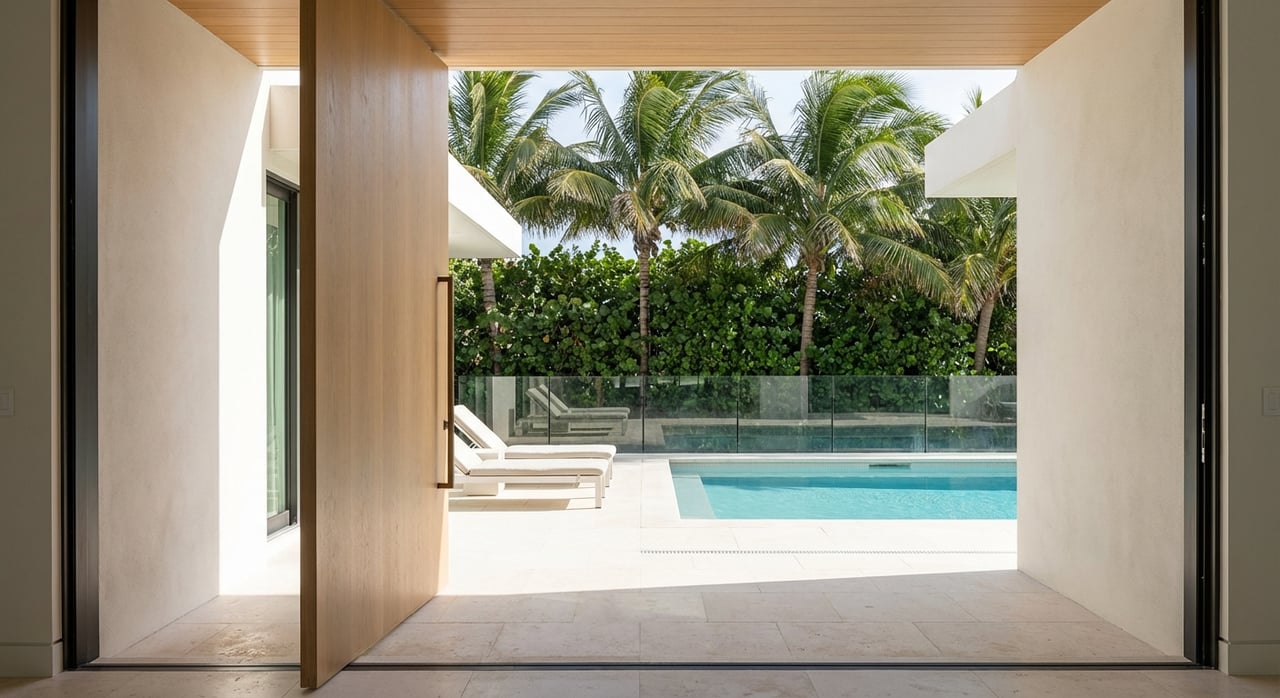
If you are searching for a true oceanfront estate in Miami-Dade, Golden Beach sits at the top of a very short list. The town’s small scale, private feel, and limited beachfront parcels create real scarcity that rewards informed, fast-moving buyers. In this guide, you’ll learn how frontage, zoning and coastal permits shape value, what recent trophy sales imply, how to structure diligence, and which risks to model before you write an offer. Let’s dive in.
Why Golden Beach stands out
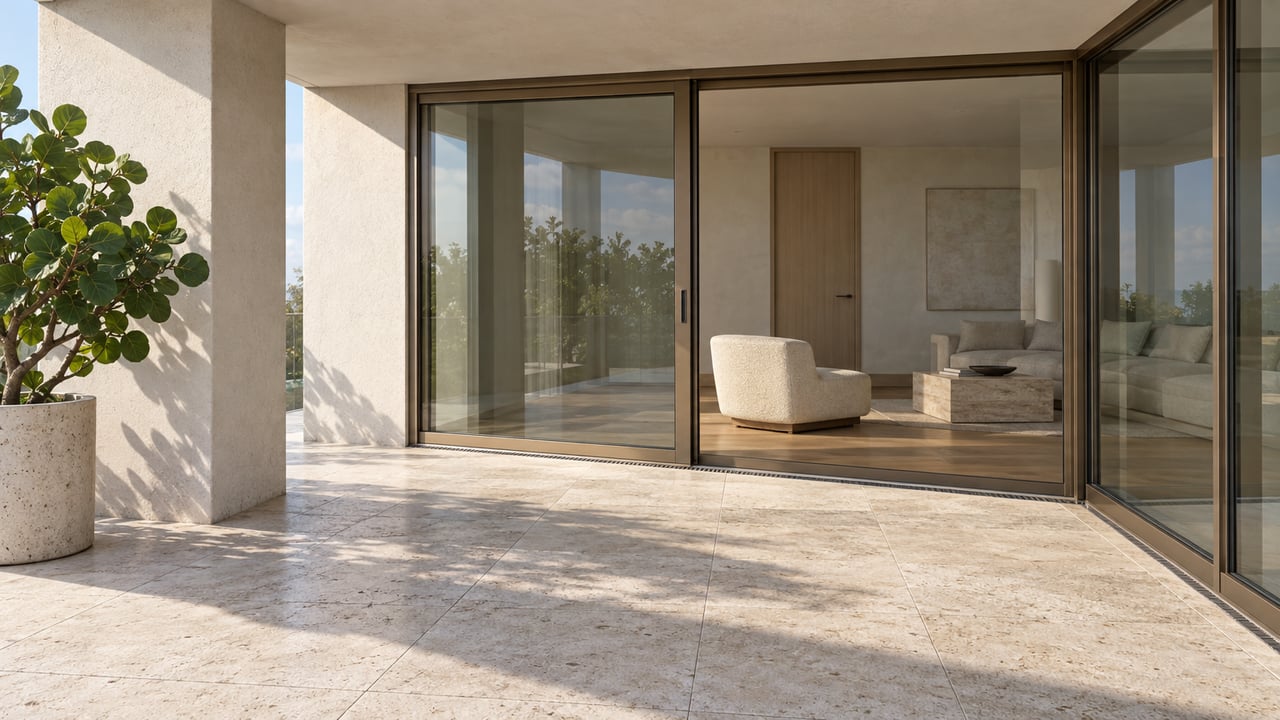
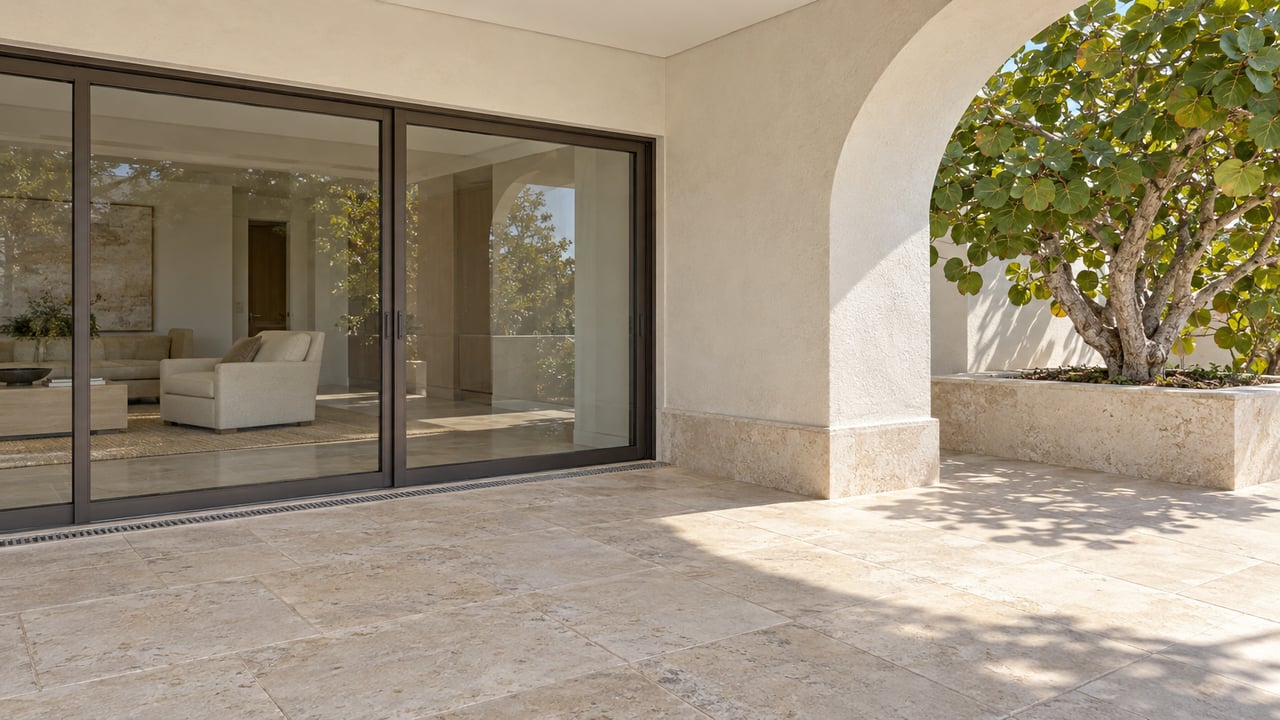
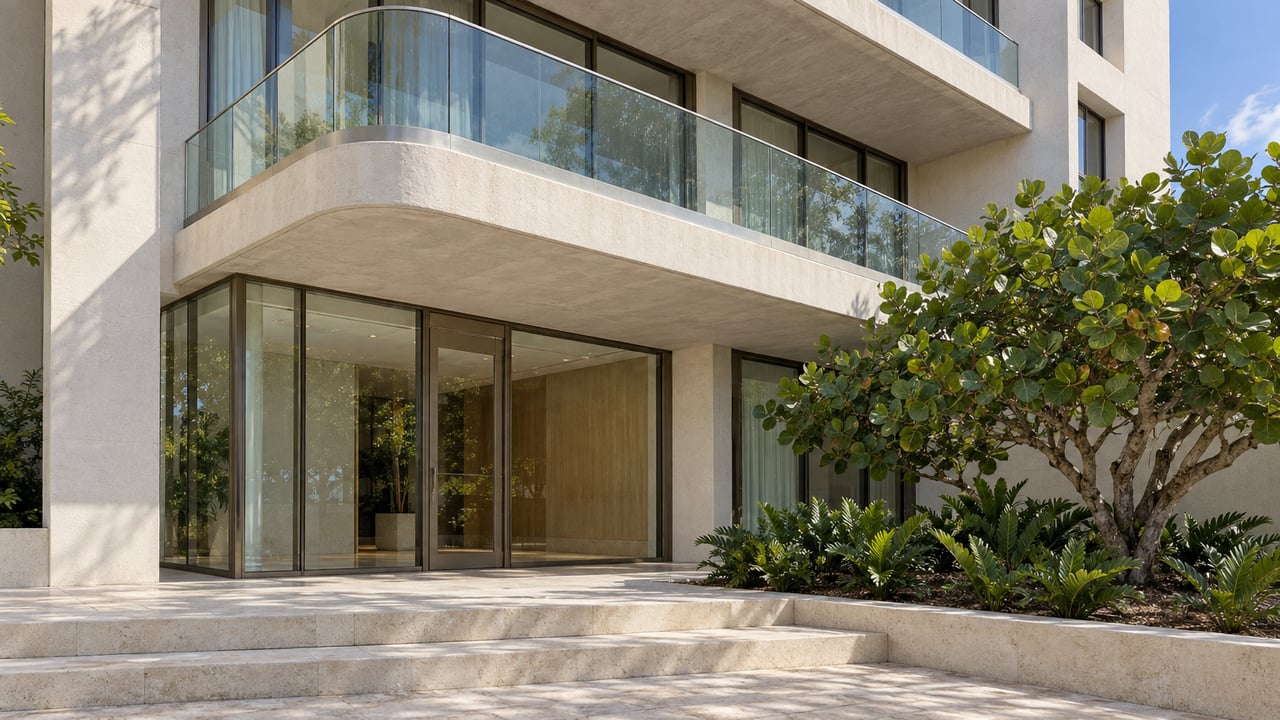
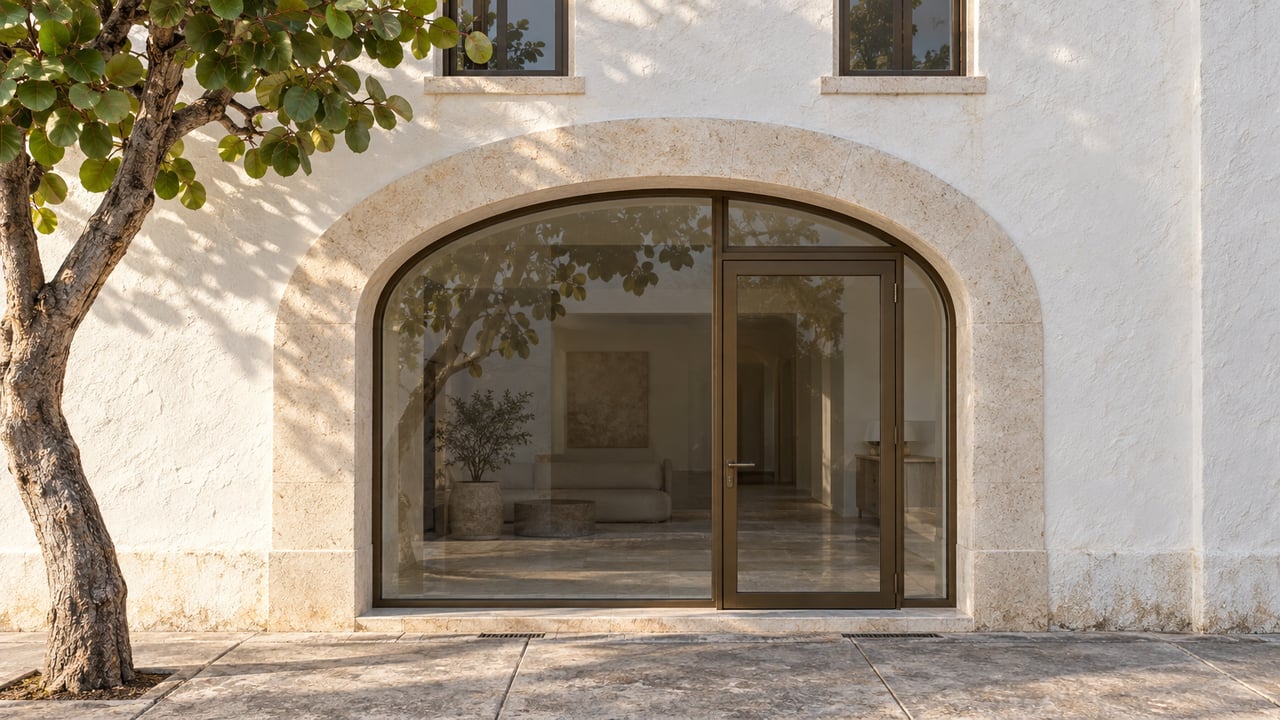
Golden Beach is a tiny, incorporated barrier-island town with the Atlantic to the east and the Intracoastal system to the west. It is low density and almost entirely single-family, with no high-rise towers or commercial strips inside town limits. The Town’s policies protect that residential character and manage building and demolition through the local code process. You can verify municipal structure and contacts on the Town’s site for the Town of Golden Beach.
Inventory is scarce. Published guides often cite a few hundred total homes in town and a much smaller subset directly on the sand. That limited oceanfront supply helps explain why prices achieve trophy levels and why some deals trade off-market among ultra-high-net-worth buyers.
Two recent headline sales frame price reality:
- A 2022 assemblage of three adjacent ocean parcels closed for about 93 million dollars, a single-buyer move to create a larger estate. This deal was covered in detail by The Real Deal.
- In 2024, the Wall Street Journal reported a sale around 34 million dollars for a 0.48-acre ocean parcel with about 75 feet of ocean frontage, a clean data point for single-estate pricing on finished product. See the WSJ’s coverage of the 34 million dollar sale.
The takeaway for you: values here are driven by frontage, geometry, and specific entitlements. Treat each parcel as a one-of-one.
How lots and rules shape value
Lot geometry and orientation
Oceanfront parcels in Golden Beach tend to be long and relatively narrow, facing east to the Atlantic. Many classic lots show 75 to 150 feet of frontage, with some estates wider and some assemblages much wider. Total areas often exceed 10,000 to 15,000 square feet, and legacy holdings can reach 20,000 to 25,000 square feet or more. Your usable footprint depends on linear ocean frontage, lot depth, and setbacks, along with dune width, the location of the Coastal Construction Control Line, and the presence and condition of any seawall.
Zoning and town policy
Golden Beach preserves a residential, low-rise character. High-rise and commercial uses are not permitted inside town limits, and single-family zoning is enforced. Teardowns and rebuilds are common, but they require full Town and County approvals. Before you assume what can be built, confirm setbacks, lot-area minima, building coverage, height, and any variance history with the Town’s Building Department or code resources listed by the Town of Golden Beach.
Coastal and HVHZ overlays
- Florida’s Coastal Construction Control Line program governs construction near the shoreline. If your project is seaward of or affected by the CCCL, you will need state review and permits through the Florida Department of Environmental Protection. Learn more about the FDEP’s CCCL program.
- Miami-Dade is in Florida’s High-Velocity Hurricane Zone. New construction and major envelope work must use HVHZ-approved products that meet Miami-Dade NOA testing standards. Expect higher costs for impact glazing, doors, and certain structural elements, and confirm local requirements through the Miami-Dade permits and HVHZ resources.
Valuation levers and price signals
The fastest way to orient value on the oceanfront is to score the parcel on a few key drivers:
- Frontage first. Price per linear foot of ocean frontage is the primary quick metric for Golden Beach.
- Lot area and buildable footprint. Depth, setbacks, and total area determine what you can design and whether assemblage makes sense.
- Elevation and FEMA flood zone. Higher elevation and more favorable flood classifications tend to reduce insurance and mitigation costs.
- Seawall, dune, and beach width. A newer engineered seawall, healthy dunes, and a wider beach often justify premiums.
- Entitlements and permitting certainty. Prior approvals, clear easements, and clean variance histories reduce risk.
- Privacy and security. Gates, orientation, and distance to neighbors matter, along with municipal services.
What recent sales imply
Two public examples show how frontage and improvements translate to per-foot pricing:
- The 2022 three-parcel assemblage totaled about 275 feet of ocean frontage at roughly 93 million dollars. That implies about 338,000 dollars per linear foot (93,000,000 divided by 275). See the Real Deal report.
- The 2024 single-estate sale reported by the Wall Street Journal closed around 34 million dollars for about 75 feet of frontage, which implies about 453,000 dollars per linear foot (34,000,000 divided by 75). Read the WSJ’s sale details.
Differences between the two show how finished architecture, immediate livability, and site improvements can push per-foot pricing above raw-land math. Given the small, idiosyncratic inventory and the share of off-market trades, treat per-foot as a starting point, then adjust for elevation, engineering, entitlements, and design quality.
What to check during due diligence
Use this concise, front-loaded checklist to confirm value and risk before you commit:
- Title and easements. Verify a clean, marketable chain of title, recorded easements, and any municipal liens.
- Exact dimensions and elevation. Confirm linear ocean frontage, lot area, and a certified topographic and elevation survey in NAVD88. Note the FEMA base flood elevation.
- CCCL and coastal permits. Determine if the property falls within the CCCL jurisdiction and pull any prior permits or correspondence through the FDEP CCCL program.
- Seawall and shoreline. Order a professional seawall report, review beach width, and analyze historical aerials for erosion patterns.
- Municipal entitlements. Confirm setbacks, coverage limits, height, and any variance history with the Town of Golden Beach.
- Insurance indications. Get early wind and flood quotes from carriers who underwrite high-value coastal estates. Budget for HVHZ-compliant glazing and doors.
- Pricing model. Build a frontage-based comp table, then adjust for improvements, elevation, entitlements, and replacement costs that meet HVHZ and coastal standards.
Ownership, privacy, and the 2026 FinCEN rule
Many UHNW buyers use LLCs, trusts, or family office structures for privacy and estate planning. Note that Florida homestead protections typically apply to qualifying natural persons or certain trusts, not corporate entities. Review homestead considerations and ownership tradeoffs, and consult counsel alongside resources such as this summary of Florida homestead and ownership rules.
A coming change matters if you plan to buy through an entity or trust. Beginning March 1, 2026, FinCEN’s Residential Real Estate Rule will require a Real Estate Report for many non-financed transfers of residential property when the buyer is a legal entity or trust. The report collects transaction details, beneficial owner information, and payment source data. It is filed by a designated closing professional such as a title or settlement agent. Review the program overview and timing on FinCEN’s RRE page and the FinCEN RRE FAQs. Expect added documentation at closing and coordinate early with your attorney and title company.
Risk and carrying costs you should model
Climate and flood exposure
Southeast Florida faces documented sea-level rise and higher coastal flood risk over time. Rather than rely on rules of thumb, obtain a site-specific elevation, confirm the FEMA flood zone, and request a forward-looking assessment that models 30 to 50 years. For a technical overview of regional trends, see this peer-reviewed summary of climate and groundwater impacts in Florida.
Insurance, mitigation, and compliance
Flood and wind insurance are meaningful annual line items for oceanfront estates. HVHZ-compliant glazing and structural systems increase build and replacement costs, but they can reduce wind premiums and improve resilience. You can confirm permitting and HVHZ product standards through Miami-Dade’s official permit resources. Engage specialty brokers early for high-value coastal policies.
Taxes and annual carrying costs
In Miami-Dade, property taxes are set by local millage rates and may be reduced by homestead exemptions for qualifying primary residences. Corporate ownership usually does not qualify for homestead protections. Budget for ad valorem taxes as a low single-digit percent of market value depending on exemptions, and plan for premium insurance, security, landscape and pool care, and periodic seawall or shoreline work. For a plain-English context on homestead rules, reference this Florida ownership and homestead summary.
Golden Beach vs nearby trophy addresses
Golden Beach often feels more low-rise and private than some larger, more institutional markets like Palm Beach. On a finished-home basis, pricing can be lower than Palm Beach, although scaled assemblages in Golden Beach have produced record local numbers, as the Ragon example shows in the Real Deal’s coverage. If you are also considering Hillsboro Mile or Manalapan, compare geography, lot scale, and policy frameworks. Then score each parcel on the same frontage and entitlement criteria so your decision stays apples-to-apples.
A simple scoring filter you can use
Use these decision filters to grade any oceanfront parcel in Golden Beach:
- Can you assemble with one or more neighbors to change frontage or depth in a material way?
- Does the finished floor sit comfortably above base flood elevation to reduce insurance and mitigation costs?
- Is the seawall engineered and within a 20-year window, or will you face a near-term replacement?
- Are there existing municipal approvals or a clear path for your intended design?
- Are you comfortable with FinCEN’s Real Estate Report requirements if you plan to close through an entity or trust on or after March 1, 2026?
Your next step
If Golden Beach is on your shortlist, move early on surveys, CCCL checks, and insurance quotes so you can act decisively when the right frontage appears. A disciplined, frontage-first model paired with parcel-level diligence will keep you focused on value rather than headlines.
For private, expert guidance and access to curated opportunities, connect with Lydia Eskenazi. With more than 30 years advising high-end coastal buyers and the global reach of ONE Sotheby’s, Lydia offers boutique, principal-level representation and bilingual service for your Golden Beach search. Let’s connect for a confidential consultation.
FAQs
What drives price for Golden Beach oceanfront estates?
- Frontage per linear foot, lot area and buildable footprint, elevation and flood zone, seawall and beach width, entitlement certainty, and privacy are the main levers.
How do CCCL rules affect my build or renovation?
- If your project is within the Coastal Construction Control Line area, you will need state review and permits, which can add time and technical requirements; see the FDEP’s CCCL overview for context.
What is the FinCEN rule for entity or trust buyers?
- For many all-cash or non-traditional financed purchases by entities or trusts on or after March 1, 2026, a Real Estate Report must be filed with FinCEN by a closing professional, collecting beneficial owner and payment details.
How should I model insurance costs on an oceanfront estate?
- Get early quotes for wind and flood from carriers experienced with high-value coastal homes, and factor HVHZ-compliant glazing and structural systems into replacement and mitigation budgets.
Are comps reliable in such a small market?
- Use frontage-based comps as a starting point, then adjust for improvements, elevation, entitlements, and seawall or dune condition; expect off-market trades and lot idiosyncrasies to limit straight-line comparisons.