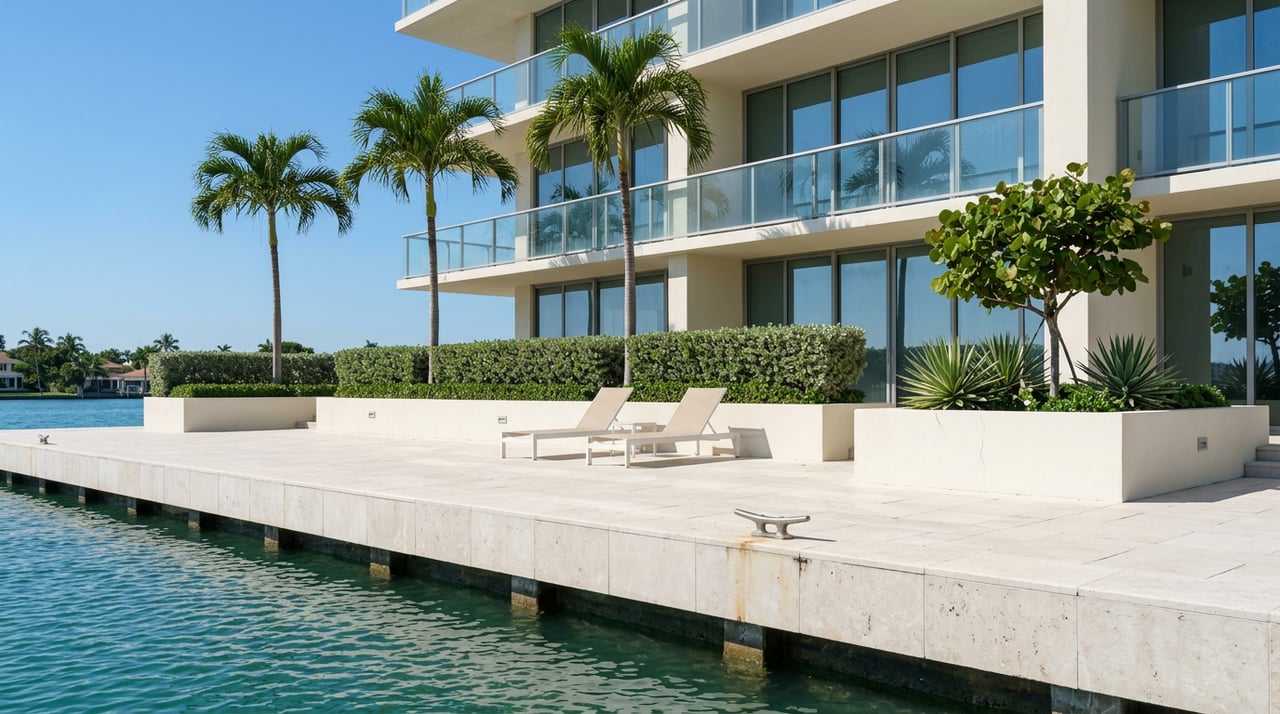
Thinking about a Bay Harbor Islands waterfront condo as a long-term investment? You want a place that holds value, supports selective rental income, and delivers a low-stress lifestyle near Bal Harbour and Miami Beach. You also want clear guidance on pricing, rental yields, new developments, and the fine print that can make or break returns. This guide gives you a practical, data-informed framework to evaluate Bay Harbor waterfront condos for a 5 to 10 year hold. Let’s dive in.
Why Bay Harbor Islands works long term
Bay Harbor Islands is small and highly walkable, with quick access to Kane Concourse, Bal Harbour Shops, and Miami Beach. The town’s footprint is tiny, with a population near 5,900 across less than half a square mile, which reinforces scarcity for quality bayfront property. You can verify the community snapshot through the latest QuickFacts data from the U.S. Census Bureau. Review the Bay Harbor Islands profile.
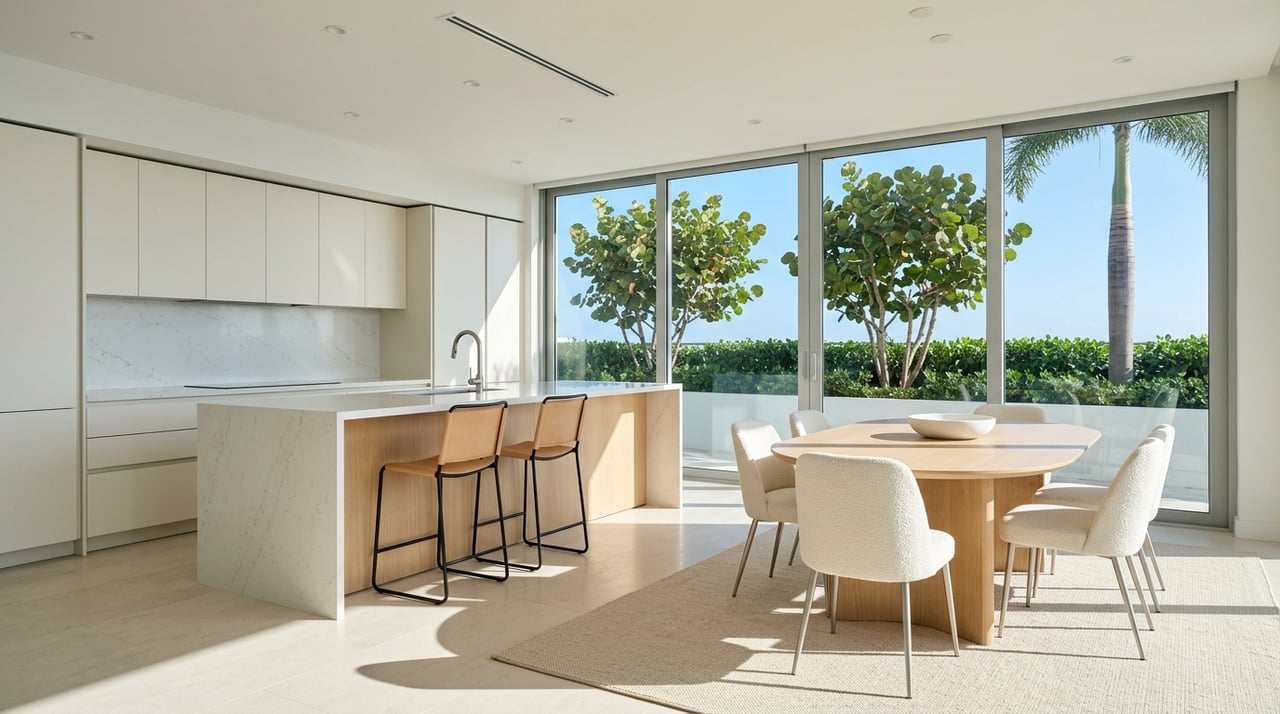
A wave of boutique waterfront development is reshaping the upper tier. Recent reporting highlights multiple projects proposed since 2021, including La Baia North and La Maré collections, that are bringing deeper amenity sets and private boat slips to the market. These new offerings typically start around the low multimillions and lift the pricing ceiling for premium product. See an overview of Bay Harbor’s development activity.
The result is a micro-market where long-term scarcity supports well-located units, even as short-term median prices can swing due to a small number of closings. For investors, this favors a hold strategy over a quick flip.
Pricing, rents, and what to expect on returns
Public market snapshots place typical Bay Harbor condo values in the mid six figures, while new boutique waterfront buildings often start around 1.4 million and rise from there for larger floor plans and slip access. Private boat slips tied to new projects can command significant premiums, reflecting strong demand from boaters.
Observed asking rents for non-luxury units often land in the low-to-mid thousands per month. Against mid-six-figure purchase prices, that translates to a rough gross yield in the 4 to 6 percent range. After HOA dues, insurance, taxes, management, and vacancy, many condos settle in the 2 to 5 percent net range. New luxury waterfront product tends to have lower cash yields because you pay for location, views, and lifestyle, so appreciation is a larger share of total return.
Who is buying and how that helps you
You compete with affluent domestic buyers from high-tax metros and a meaningful share of international buyers from Latin America and Canada. Miami remains among the top U.S. destinations for global purchasers, and that drives steady demand for waterfront product. See how international demand supports Miami real estate.
Typical holding periods for investment and second-home strategies are usually 5 to 10 years, with many owners extending beyond that for lifestyle reasons. This aligns with common 1031 and DST planning horizons. Learn why many investors plan for 5–10 year holds.
New development to watch
La Baia North, an eight-story bayfront building with 57 residences, has been reported as under construction and largely presold, with early pricing around 1.4 million. The La Maré Signature and Bay Collections are also adding boutique inventory and private-slip amenities. Deliveries reported for 2026 to 2027 will expand the top tier and may lengthen marketing times for older buildings that are not modernized. Read a summary of the current project wave.
Key risks to underwrite
- Structural and building-safety rules. Florida’s post-Surfside regime requires milestone inspections, recertification, and dedicated structural reserves. Findings can trigger special assessments, affect financing eligibility, and influence resale values. Understand the regulatory changes.
- Insurance cost pressure. Coastal wind and flood coverage can materially affect carrying costs and net yields. Review master policy deductibles, recent premium trends, and carrier stability. Review Florida insurance statutes and context.
- Climate and flood exposure. Low-lying coastal areas face compound flooding risk that should be modeled over a 10+ year horizon. Elevation, drainage, and storm-history matter. See research on compound flooding in Miami-Dade.
- Closing friction for entity buyers. A federal reporting rule requires many all-cash purchases by entities to be reported starting March 1, 2026, which may add time and documentation to closings. Get up to speed on the FinCEN Residential Real Estate Rule.
- New supply at the top end. Boutique luxury deliveries increase choice for buyers and may pressure older inventory unless it is updated and priced strategically. Scan highlights of the new luxury pipeline.
Financing and warrantability
Condo warrantability affects both purchase financing and your future buyer pool. Many boutique or older buildings may not meet FHA, VA, or some conventional guidelines due to owner-occupancy ratios, reserve funding, or commercial space. Confirm the building’s eligibility or the process for single-unit approvals before you rely on specific loan terms. See how condo eligibility impacts financing options.
Rental rules and compliance
Bay Harbor Islands supports business licensing, including for vacation rentals, but condo bylaws often set minimum lease terms that effectively steer activity to annual or medium-term rentals. Always obtain the association’s rental policy in writing and confirm licensing steps with the town. Review Bay Harbor’s business tax receipt and rental guidance.
How to choose the right unit
- Prioritize locational scarcity. Wide-bay views, protected marina access, and walkability to Kane Concourse and Bal Harbour Shops help support long-term demand.
- Compare new versus renovated resale. New boutique buildings offer amenity depth and private slips at a premium, while renovated resales can offer better cash yields if HOA finances and building condition are strong.
- Underwrite HOA and insurance costs. Run conservative scenarios on fees, reserves, special assessments, wind and flood premiums, and deductibles.
- Think in 5 to 10 year horizons. Favor timeless floor plans, strong natural light, ample storage, and parking that will appeal to future buyers.
Due diligence checklist before you buy
- Building safety and recertification status. Request Phase 1 and Phase 2 structural reports and confirm recertification timelines. Findings can trigger special assessments or limit financing. Local building departments and association managers are your sources. Read a summary of the post-Surfside framework.
- HOA budgets and reserve studies. Ask for the current budget, reserve or Structural Integrity Reserve Study, insurance declarations, and a delinquency report. These show the true cost of ownership and future assessment risk.
- Insurance details. Obtain the association’s master policy and deductibles, check recent premium changes, and get an HO-6 quote for your unit. Review the state insurance code context.
- Rental rules and licensing. Confirm minimum lease terms, any rental caps, and whether short-term rentals are allowed. The town’s business tax receipt page outlines licensing steps. See the town’s guidance.
- Flood zone and elevation. Pull the FEMA flood map, request the building’s elevation certificate if available, and evaluate long-horizon resilience. Explore compound flood research for Miami-Dade.
- Dock, seawall, and depth. If a slip is included or available, verify permitted depth, seawall condition, and maintenance obligations. These factors drive boating value and resale appeal.
- Financing and warrantability. Confirm whether the building meets FHA, VA, or agency guidelines or if you need a portfolio loan or larger down payment. Understand condo eligibility requirements.
- Title and closing documentation. If you plan to purchase via LLC or trust with cash, confirm whether the deal is reportable under the federal rule and build time into your closing schedule. Get an overview of the FinCEN reporting rule.
- Local comparables and absorption. Use MLS comps and new-construction presale data to place your pricing tier. In a small market, one or two sales can move the median, so look closely at like-for-like units by line, view, and condition.
Strategy ideas for a 5–10 year hold
- Second-home plus annual lease. Combine seasonal personal use with an annual or medium-term rental between stays, subject to building rules. This balances lifestyle with income.
- High-quality renovation. In older waterfront buildings with solid reserves and clean inspections, a thoughtful renovation can capture a spread versus new development pricing.
- Early-entry new development. Presales in boutique projects can offer a runway to delivery and potential appreciation through construction, especially where private slips are scarce. Monitor developer disclosures and associations’ reserve policies.
- Tax-aware planning. If you expect to exchange later, align your hold period with common 1031 and DST timelines and maintain meticulous records. See typical horizons for DST strategies.
The bottom line
Bay Harbor Islands waterfront condos are a niche, scarcity-driven play that reward disciplined underwriting and patient holding periods. You benefit from proximity to Bal Harbour and Miami Beach, strong international connectivity, and a luxury buyer base that values marina access and walkability. You also need to model HOA reserves, insurance costs, evolving building-safety rules, and closing compliance early so there are no surprises.
If you want a clear, numbers-first plan tailored to your goals, connect with a local advisor who lives this micro-market every day. For a confidential strategy session and curated opportunities on and off market, reach out to Lydia Eskenazi.
FAQs
Are Bay Harbor Islands waterfront condos good for cash flow?
- Many investors see rough gross yields around 4–6 percent and net returns near 2–5 percent after HOA dues, insurance, taxes, and vacancy, with new luxury product leaning more on appreciation than cash flow.
How do new projects like La Baia North impact resale values?
- Boutique luxury deliveries raise the top-end pricing ceiling and add amenities like private slips, which can extend marketing times for older buildings that are not updated or competitively priced.
What should I verify about building safety before I buy?
- Request milestone inspection and recertification reports, reserve studies, and any special assessment notices; findings can affect financing eligibility, ownership costs, and resale timing.
How do condo financing “warrantability” rules affect me?
- Buildings that do not meet FHA, VA, or agency standards often require larger down payments or portfolio loans, which can narrow your future buyer pool and impact resale options.
Can I do short-term rentals in Bay Harbor Islands?
- Town licensing may permit certain rentals, but most condo associations enforce minimum lease terms that favor annual or medium-term rentals, so always confirm the bylaws and obtain rules in writing.
Will the FinCEN rule slow my LLC or trust purchase?
- Starting March 1, 2026, many all-cash entity purchases require a federal report, so plan for additional beneficial owner documentation and timeline during closing.