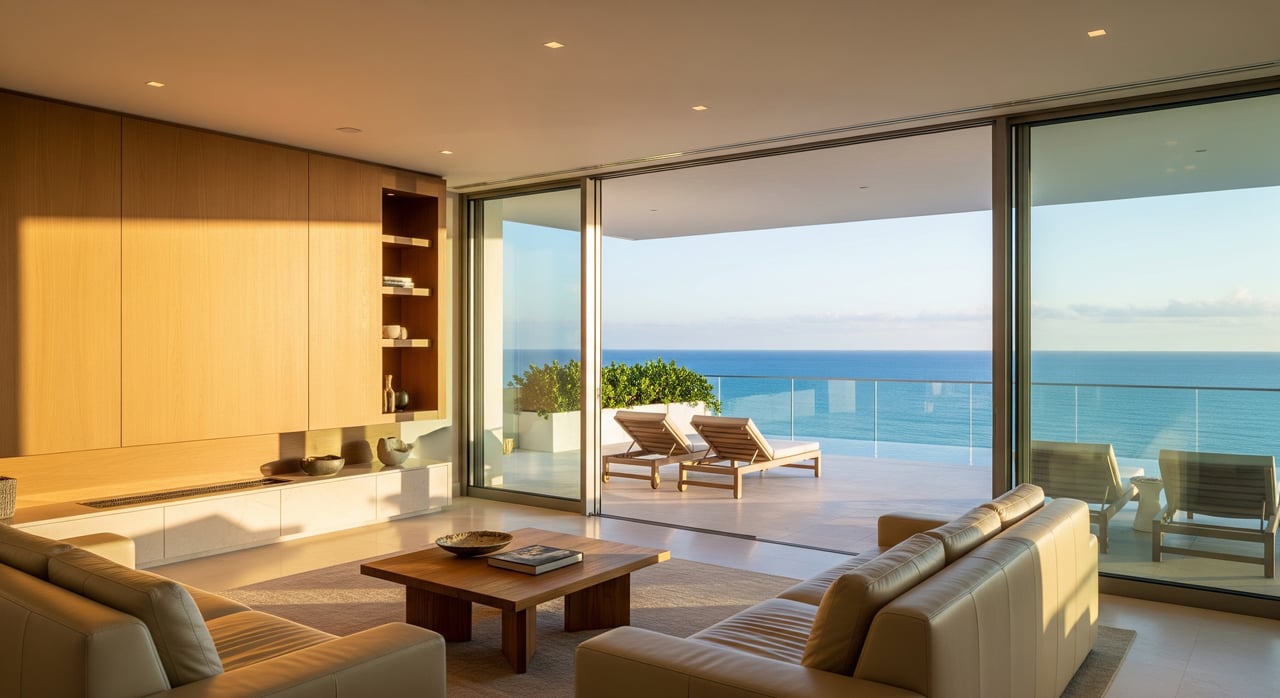
Shopping oceanfront in Bal Harbour can feel like every listing promises “the best.” The reality is that only a handful of buildings and unit lines deliver the views, livability, resilience and financial strength that hold long-term value. If you want a residence you will love today and feel confident about tomorrow, you need a clear framework.
This guide walks you through how to evaluate Bal Harbour oceanfront condos in 33154 with a practical, step-by-step lens. You will learn what to prioritize, what to verify, and how to compare options across buildings and unit lines. Let’s dive in.
What defines the best oceanfront condos
Location and orientation
Bal Harbour “oceanfront” means direct frontage with unobstructed Atlantic views. “Ocean view” can mean angled or partial sightlines. Ask for current photos from the actual line and floor, then stand in the unit to confirm. Orientation affects light, privacy, and exposure to prevailing winds.
Also consider the building’s siting. Look at the setback from the water, seawall condition, and direct beach access. Note adjacency to parks or roadways for potential noise. Proximity to Bal Harbour Shops and village amenities can support lifestyle and resale appeal.
Floor plan and usable area
Do not rely only on marketing square footage. Confirm usable interior and exterior areas with a recorded survey or independent measurement. Focus on the flow between public and private spaces, number of exposures, and terrace size and usability.
Ceiling height, window wall design, and impact glazing influence natural light, views, wind protection, and insurability. Private elevator foyers or vestibules add privacy and often support value.
Construction quality and resilience
Ask about age, major renovations, and any envelope upgrades like balconies, windows, waterproofing, and garage systems. Verify elevation relative to base flood elevation, plus seawall and dune conditions. Impact-rated glazing and Miami‑Dade code compliance matter for wind resistance.
Check on-site generator capacity and backup systems for elevators and critical services. Newer or recently upgraded buildings can reduce near-term capital needs and insurance risk.
Services, amenities, and management
Luxury buyers value consistent service. Review the level of concierge, valet, private beach access, spa and pool programs, fitness, parking and storage. Verify if amenities are deeded to the condominium or tied to a hotel program, since access and costs can differ.
Evaluate the management company and staffing levels. A strong staff-to-unit ratio and low turnover support day-to-day experience and long-term value.
Financial health and governance
Study HOA fees and what they include. Review trends over time, reserve fund levels, and the most recent reserve study. Ask about frequency and size of special assessments.
Understand owner-occupancy rate and rental policies, including minimum lease terms. Review litigation history, since unresolved claims can be red flags for lenders and future buyers.
Market positioning and brand
Branded residences can command premiums and attract global interest. Unit scarcity, like rare lineal oceanfront layouts or large floor plans, supports price stability. Proximity to Bal Harbour Shops and the prestige of the address can expand your buyer pool at resale.
Your due diligence checklist
Before you write an offer, organize documents and verifications. Have your attorney and trusted advisors review where appropriate.
Association and legal documents:
- Declaration of Condominium, Bylaws, Rules and Regulations
- Board meeting minutes for the last 12–24 months
- Current budget, financials, and any auditor’s report
- Latest reserve study and schedule of capital projects
- Insurance binders, including wind and hurricane coverage and deductibles
- Owner-occupancy percentage, rental policy, and short-term rules
- Special assessment history and any pending assessments
- Litigation list and pleadings for major suits
Physical and climate risk reports:
- Recent engineering or structural reports, with evidence of facade or balcony work
- Seawall and shoreline maintenance records
- FEMA flood zone designation and any elevation certificates
- Recent building inspection reports and documented repairs
Title and transactional items:
- Title commitment, plus any covenants tied to parking, storage, or easements
- Evidence of deeded parking and storage, and any separately deeded amenities
- Closing cost items and condo-related transfer fees
Practical verifications:
- Independent measurement of interior and exterior square footage
- Building visits at different times of day for noise, traffic and privacy
- Confirmation of included furniture or built-ins, and the age of in-unit mechanicals
How to read listings and compare units
Decode listing language
Verify “oceanfront” versus “ocean view,” and ask for line and floor photos to confirm sightlines. Understand building-specific line numbers and compare to official floor plans. Clarify whether the listing uses gross or net square footage.
If a unit is described as turnkey or designer, confirm what conveys. Ask whether renovations were permitted and inspected.
Compare price metrics the right way
Price per square foot is only a starting point. Adjust for layout quality, terrace usability, parking and storage, and private elevator access. Compare to recent sales within the same building, especially the same line and similar floors.
Evaluate HOA fees on a per-square-foot or per-bedroom basis when comparing buildings. If income is part of your plan, request historical rental performance where allowed.
Unit-level features that move value
Higher floors often trade at premiums for views and privacy. Lower floors can experience more street noise or beach activity. Assess terrace design, drainage, and storm protection.
Dedicated parking, storage, and private elevator access can lift value. In-unit systems like premium appliance brands, smart home tech, and zoned HVAC improve livability and resale narrative.
Red flags in listings or disclosures
Be cautious with vague view descriptions. High HOA fees without audited financials or weak reserves deserve scrutiny. Ongoing litigation should be reviewed by counsel. Any rental income claims must be supported with documentation.
Risk factors and long-term value
Climate and flood risk
Sea-level rise and storm surge are long-term considerations along the Atlantic. Use FEMA flood maps, NOAA scenario tools, and local resources to understand exposure. Flood insurance availability and cost can vary by elevation, flood zone and building claims history.
Infrastructure projects like beach renourishment or seawall improvements are positive, but they can come with assessments. Build these possibilities into your underwriting.
Insurance and rebuild costs
Understand the building’s master policy and your responsibility for an HO‑6 and flood policy. Large deductibles can shift costs to owners after a loss. Ask how assessments are allocated across units.
Governance and special assessments
Low reserves and deferred maintenance can lead to frequent assessments and lender concerns. Pay attention to governance culture, transparency, and board stability, since these factors influence risk and resale.
Market liquidity and buyer pool
Ultra-luxury branded product appeals to a global clientele, which can support pricing power. Buildings with rental restrictions may limit investor demand, yet can enhance owner-occupant stability and long-term desirability.
Field-test your shortlist in 33154
- Visit at sunrise and sunset to judge light, glare, and privacy from adjacent buildings.
- Walk the beach path and pool decks to assess access, foot traffic, and service quality.
- Compare elevator wait times, valet flow, and staff presence during peak hours.
- Stand on the terrace to evaluate wind, salt exposure, and noise.
- Confirm storage, bicycle rooms, and package handling suit your lifestyle.
Smart next steps with a local advisor
The right advisor should combine deep building knowledge with a disciplined, document-first approach. In Bal Harbour, that means understanding building lines, seawall conditions, reserve studies, and how rental policies affect future liquidity.
If you want boutique, principal-level guidance with international reach, work with an advisor who blends finance, legal and lifestyle insight. With 30-plus years in South Florida’s coastal markets and an MBA in Finance and Real Estate, Lydia brings a hands-on, consultative process for oceanfront condos and penthouses across Bal Harbour and neighboring enclaves. She offers bilingual communication and the global distribution of ONE Sotheby’s, paired with white-glove attention at every step.
Ready to compare top-tier oceanfront options and move forward with confidence? Connect with Lydia Eskenazi for a confidential consultation.
FAQs
What’s the difference between oceanfront and ocean-view in Bal Harbour?
- Oceanfront indicates direct Atlantic frontage with unobstructed views, while ocean-view can be angled or partial. Always verify the exact line and floor photos, then confirm sightlines in person.
Which condo association documents should you review before buying in 33154?
- Request governing documents, recent board minutes, budgets and financials, the latest reserve study, insurance summaries, assessment history, rental policies, and any litigation records.
How do HOA fees in Bal Harbour affect total cost of ownership?
- Consider what fees include, such as utilities or building insurance, and trend them over time. Compare on a per-square-foot basis across buildings, then factor reserves and potential assessments.
Why do building upgrades and resilience matter for oceanfront condos?
- Recent envelope work, impact glazing, seawall condition, and generator capacity reduce repair risk, support insurability, and can lower near-term capital needs, which helps protect value.
How should international buyers evaluate rental policies in luxury buildings?
- Review owner-occupancy rates, minimum lease terms, and any short-term rental restrictions. Align policies with your usage plan and confirm lender and insurance implications in advance.