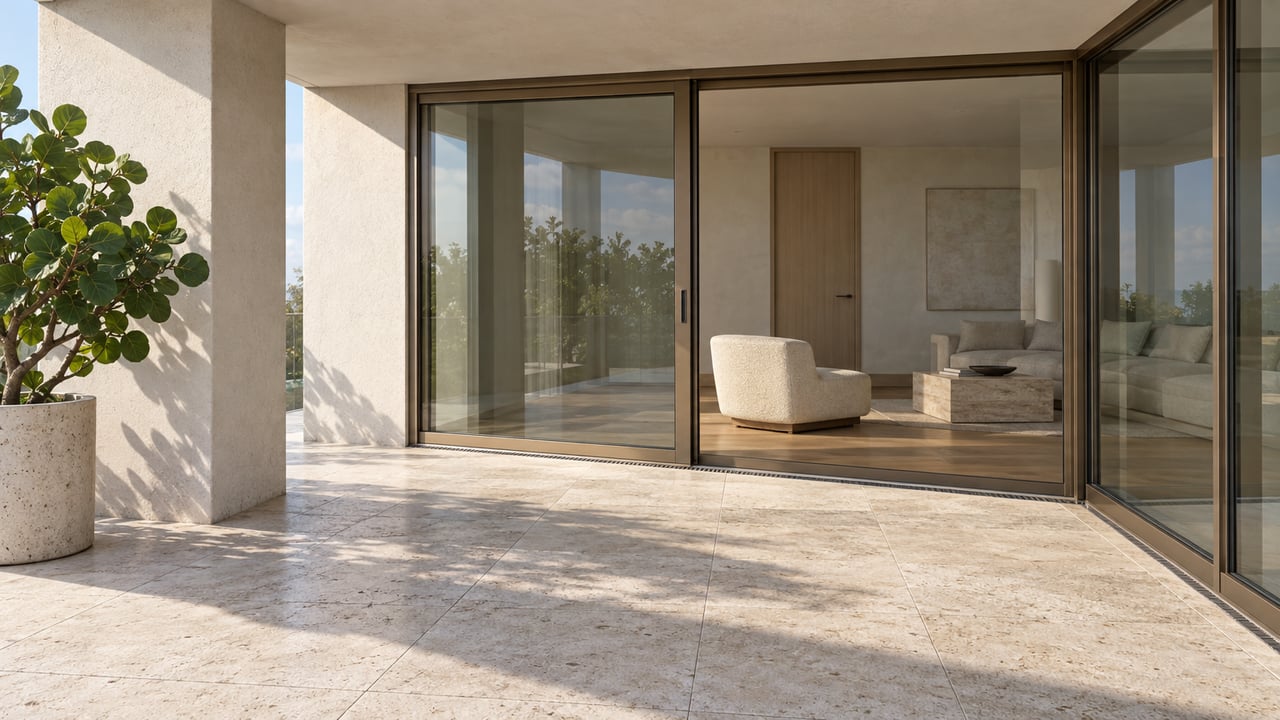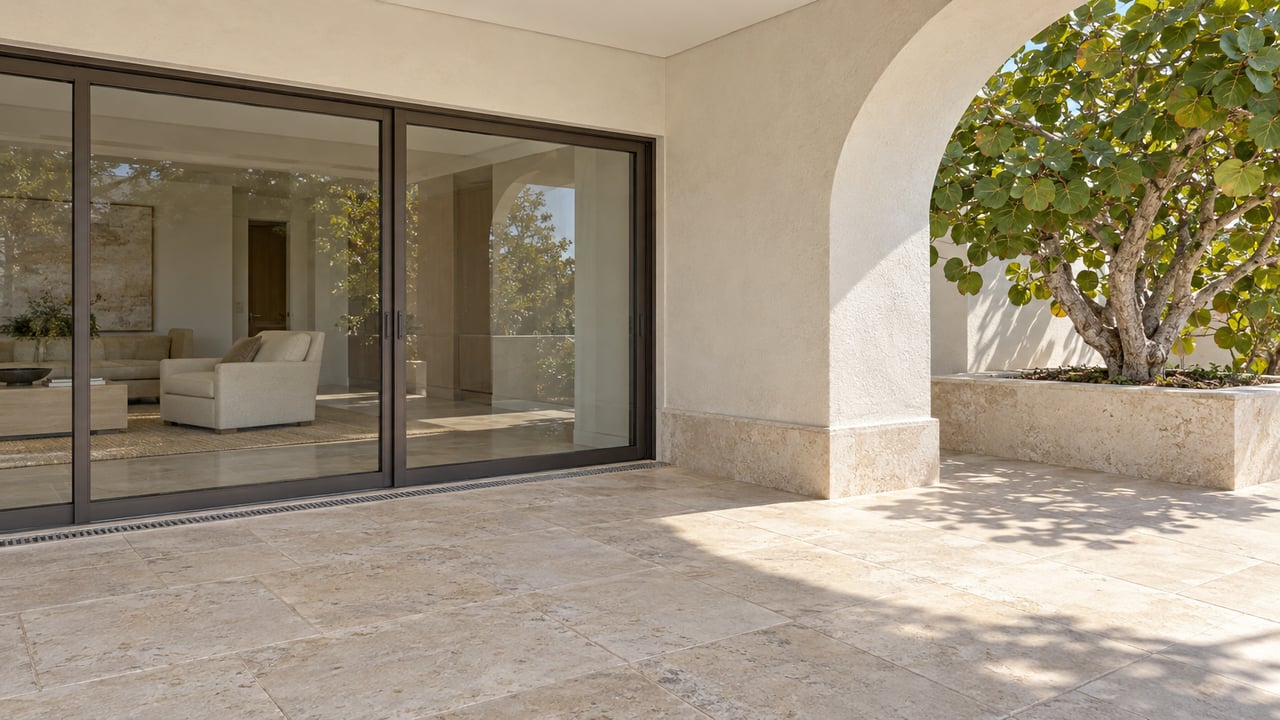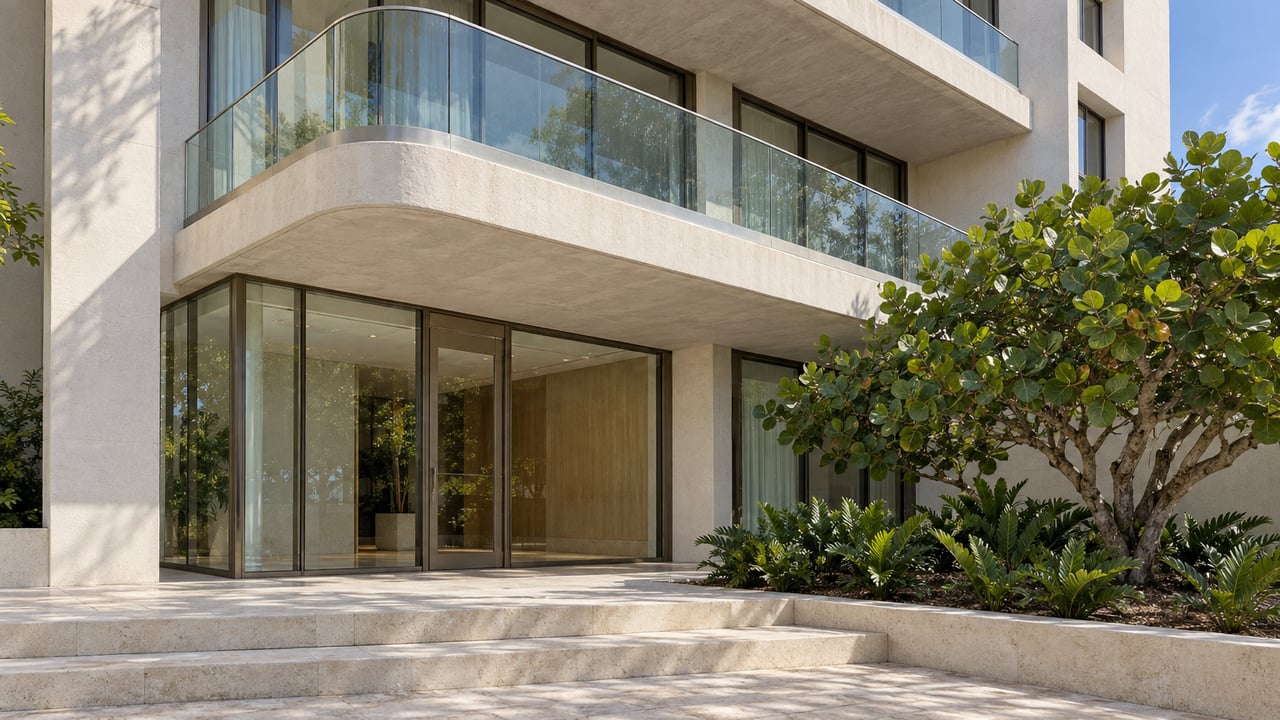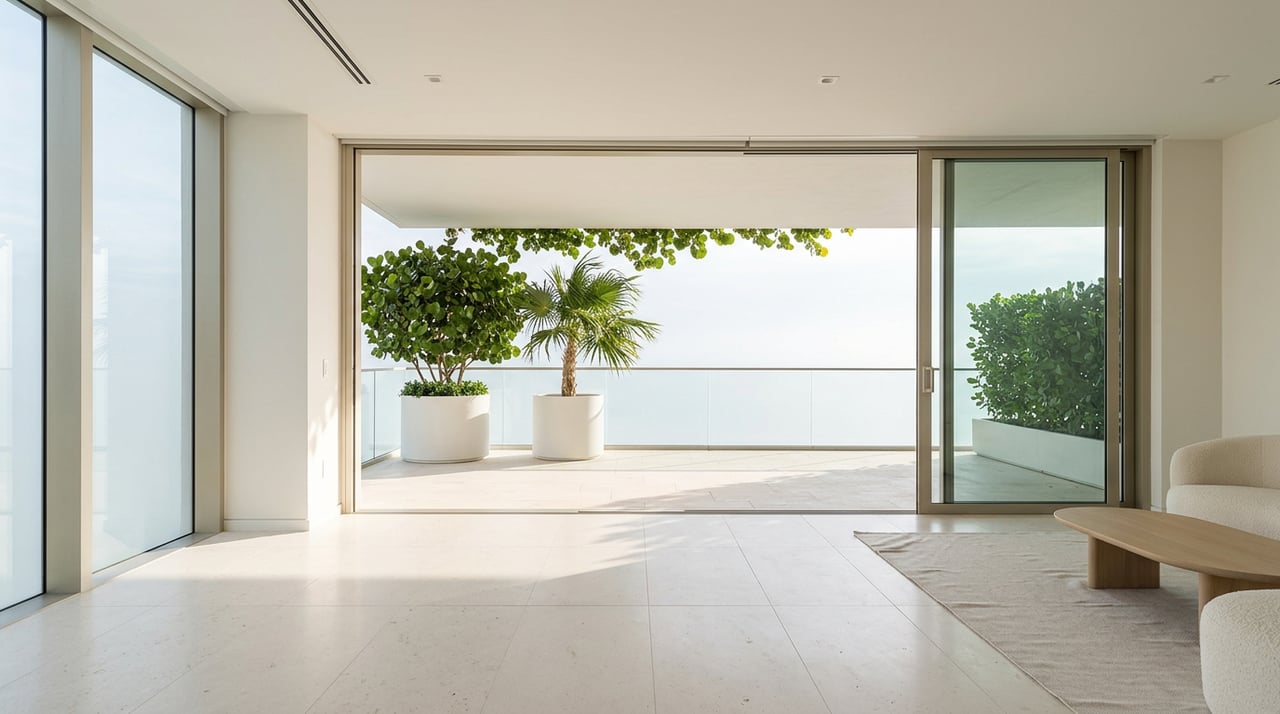
Thinking about reserving a brand‑new condo in Sunny Isles Beach? Pre‑construction can be a smart way to lock in a view, customize finishes, and buy into a fresh building. It also comes with unique timelines, deposits, and legal rights you will not see in a typical resale. In this guide, you will learn how the process works, what Florida law gives you as a buyer, how financing really works for new towers, and how to plan your due diligence in Sunny Isles Beach. Let’s dive in.
Pre‑construction basics
When you buy pre‑construction, you move through three main steps: reservation, contract, and closing.
- Reservation. You place a refundable reservation deposit to hold a unit and price while the developer prepares contracts. Refund policies vary by project. Press coverage in Sunny Isles has noted high refundable checks for select launches, such as a reported 100,000 dollar reservation for an Estates at Acqualina release, which shows how serious some deposits can be in this market. See the coverage for context in The Real Deal’s reporting on a past launch. (media example)
- Contract signing. You sign the developer’s purchase agreement and pay the first contract deposit. Under Florida law, the developer must deliver specific offering documents, and you have a 15‑day right to cancel after you receive them. Learn more in Section 718.503 of the Florida Statutes. (buyer’s 15‑day right)
- Staged deposits. Expect additional deposits tied to dates or construction milestones. Total pre‑closing deposits in Miami‑area luxury projects often range from roughly 20 to 50 percent, paid in stages. Exact schedules are project specific.
- Closing. Once the building receives a certificate of occupancy and title is ready, you close and pay the remaining balance, often with financing.
Florida law also protects your deposits. Payments above certain thresholds must be held in special escrow accounts until completion, with strict rules that limit how funds can be used before closing. See Section 718.202 for the escrow requirements. (escrow protections)
Example deposit timeline
Below is a simple example to help you plan cash flow. Always confirm the actual schedule in the developer’s documents.
| Stage | Typical timing | Example cumulative deposit |
|---|---|---|
| Reservation deposit | At reservation | 25,000 to 250,000 dollars |
| Contract deposit | 10 to 30 days after reservation | About 10 percent |
| Mid‑construction calls | At groundbreaking, topping out, interior completion | About 20 to 40 percent |
| Pre‑closing call | Shortly before closing | Additional 10 percent if called |
| Closing | At certificate of occupancy | Balance due |
Your legal protections in Florida
Florida’s condo statute gives you clear rights when buying from a developer.
- 15‑day cancellation right. You may cancel the contract within 15 days after you receive the required offering documents, unless you agree to close sooner. Track the delivery date and deadline carefully. (statutory right)
- Escrowed deposits. Deposits paid before completion must be held in a protected escrow account under Section 718.202. If a developer does not comply, you may have voidability and refund rights. Ask for the escrow agent’s name and written instructions. (escrow rules)
- Required documents. The developer must provide a prospectus or offering circular, proposed declaration, bylaws, articles, rules, an estimated operating budget, and copies of management or long‑term contracts. Review each item, not just the brochure. (required docs list)
What to review in the packet and contract
Treat the offering circular and contract like a roadmap to your rights, costs, and exit options.
- Prospectus and 15‑day window. Confirm you received the full packet and note your cancellation deadline. (15‑day window)
- Escrow agreement and agent. Verify where your funds sit, who holds them, and the release mechanics. Ask for written escrow instructions. (escrow basics)
- Deposit schedule. Get every call amount and due date in writing. Map it to your liquidity plan.
- Developer rights and phasing. Check if the developer can add phases, change amenities, or expand a master association. This affects future budgets and control.
- HOA governance and turnover. See when owners take control of the board and what developer rights remain during the control period.
- Long‑term contracts. Review management, maintenance, and any service agreements longer than one year that could shape future dues. (disclosure items)
- Budget, reserves, and SIRS. New statewide structural safety and reserve rules following Surfside, including updates summarized in HB 913, are reshaping condo budgets. Understand required reserves and how they will appear in the first‑year budget. (HB 913 summary)
- Insurance. Confirm master policy coverage, wind and flood details, and deductibles. Coastal towers often carry higher wind deductibles.
- Parking and storage. Verify if parking is deeded or assigned and whether separate taxes or fees apply.
- Rentals and licensing. Compare the declaration’s rental rules with the City of Sunny Isles Beach’s license and registration requirements for short‑term rentals. Do not assume STR income is allowed. (local STR rules)
- Construction standards and warranties. Check completion definitions, punch‑list steps, and warranty scope for finishes and structure.
- Title and lien protections. Florida’s lien law lets unpaid contractors file liens. Confirm lien‑waiver procedures at each draw and require final waivers before closing. (lien overview)
Financing and exit options
Financing for new towers works differently than for established condos.
- Conventional loans. Conventional purchasers like Freddie Mac impose condo project eligibility rules. Many new or developer‑controlled projects need additional review or may be ineligible for standard conventional financing until they are more established. Ask your lender early about the project’s status. (Freddie Mac fact sheet)
- FHA or VA. FHA financing requires that the project be FHA approved, or that your unit qualifies for single‑unit approval in narrow cases. Many pre‑construction buildings are not FHA approved during construction. (FHA condo info)
- Practical impact. If a project is not eligible for conventional or FHA financing at your closing, you may need a portfolio or jumbo loan, or cash. Some developers offer preferred‑lender options. Compare offers with an independent mortgage professional.
- Assignment and investor exits. Do not assume you can assign your contract before closing. Builder contracts often restrict assignment or require fees and consent. Verify the clause in the purchase agreement. (assignment note)
Sunny Isles market context
Understanding today’s market helps you compare pre‑construction to resale. In Q4 2024, MIAMI REALTORS reported 131 closed sales for Sunny Isles Beach townhouses and condos, a median sale price of 885,000 dollars, and an average sale price of 1,526,078 dollars. Inventory measures were elevated compared with some nearby coastal nodes, reflecting the area’s mix of ultra‑luxury oceanfront towers and smaller units. See the Q4 2024 local metrics for details and remember to check the newest quarterly release before you buy. (MIAMI REALTORS local metrics)
Pre‑construction can offer fresh amenity packages, customization, and the potential to buy early in a building’s life. Resales offer immediate occupancy and a track record of budgets and assessments. Florida’s updated structural and reserve requirements summarized in HB 913 are a key factor when comparing older towers to new construction. New buildings are designed under current codes and reserve rules, while some older buildings may face added reserve funding or remediation. (HB 913 overview)
Must‑ask questions for the developer
Bring these to every sales meeting:
- Who is the escrow agent, and what are the written escrow instructions?
- What is the exact deposit schedule with due dates and amounts?
- What is the current sales percentage and expected closing quarter?
- Is the project eligible for conventional or FHA financing at completion?
- How are reserves budgeted under current SIRS rules, and what are estimated HOA dues?
- What are assignment rules and fees, if any?
- What are the rental policies and any city licensing requirements?
Due‑diligence checklist
Use this step‑by‑step list to stay organized.
- Request the full prospectus and exhibits. Calendar your 15‑day cancellation deadline.
- Get the full deposit schedule in writing and confirm the escrow agent and release terms.
- Ask about project sales percentage, developer control, and owner turnover timing.
- Speak with a lender before reserving. Confirm whether the project meets conventional or FHA standards and, if not, your alternatives.
- Review the draft budget and reserve plan and how the building will meet SIRS and inspection requirements.
- Confirm lien‑waiver procedures and require final waivers before closing.
- Read the assignment clause closely if you might sell or assign before closing.
- Verify parking and storage allocations and how they are conveyed.
- If you plan to rent, confirm association rules and Sunny Isles Beach short‑term rental licensing.
- Set a closing timeline with your attorney, lender, and title company. Include punch‑list, final lien search, wire instructions, and recording steps.
Final thoughts and next steps
Pre‑construction in Sunny Isles Beach can be an excellent path to a signature oceanfront residence, but it rewards careful preparation. Map your deposits, use your 15‑day review period wisely, confirm financing paths, and read every exhibit in the offering packet. With a clear plan, you can secure the right unit and protect your interests all the way to closing.
If you would like a confidential, data‑driven strategy for a specific tower or unit mix, connect with Lydia Eskenazi. Lydia brings decades of coastal market expertise, finance‑savvy guidance, and boutique representation to help you buy with confidence.
FAQs
What is the 15‑day cancellation right for Florida new‑build condos?
- For developer sales, Florida law gives you 15 days after receiving the required offering documents to cancel the contract unless you agree to close sooner.
How are my deposits protected in a Sunny Isles pre‑construction deal?
- Deposits paid before completion must be held in special escrow accounts under Florida statute, with limits on use and refund rights if rules are not followed.
Can I use a conventional or FHA loan to buy a new Sunny Isles condo?
- It depends on project eligibility. Many new projects need extra review and may not qualify for standard conventional or FHA financing until later in the build‑out.
What should I know about short‑term rentals in Sunny Isles condos?
- You need to follow both the condo’s rental rules and the City of Sunny Isles Beach’s licensing and registration requirements for any short‑term rental.
How do Florida’s new reserve and inspection rules affect my costs?
- Updated laws increase structural reserve and inspection standards, which shape HOA budgets. New buildings reflect current rules, while some older towers may need higher reserves or work.
Can I assign my pre‑construction contract before closing?
- Assignment is project specific. Many developer contracts restrict or condition assignment, sometimes with fees. Read the clause and confirm in writing before you plan an exit.